
Buying a old relocatable home can look like a cheaper shortcut to owning a second dwelling, but the real costs often go beyond the listing price. It is always better to compare the actual cost before making any decision to buy a old home on resale or construct a new small second dwelling.
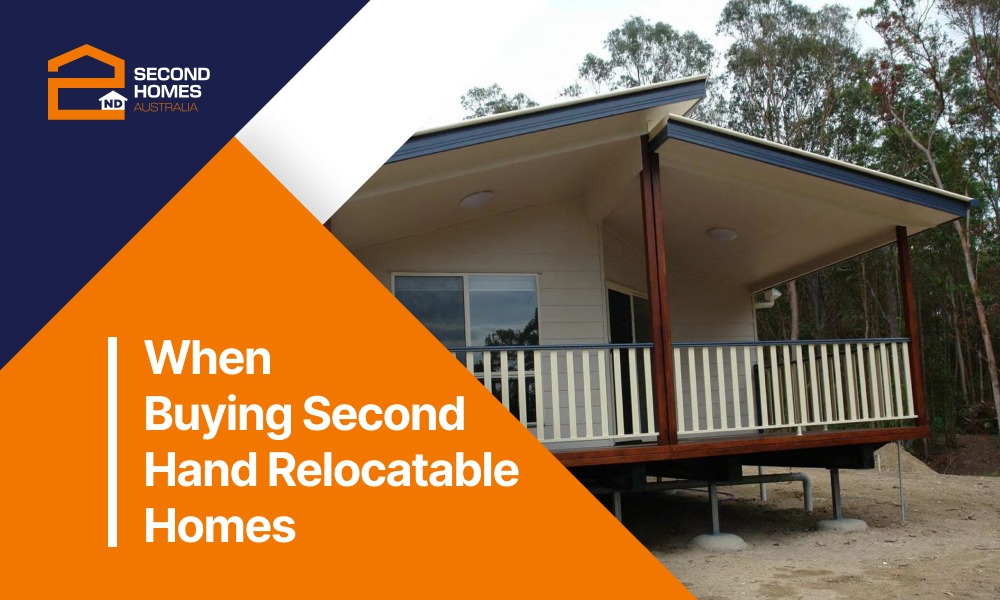
The listing photo shows a tidy two-bedroom unit at a price that looks like a bargain against anything built from scratch. What the photo does not show is the transport quote that lands a week later, sometimes completing the price of the home itself, or the council letter asking for upgrades before the thing can even be reconnected to power.
None of that means buying a old home is a bad idea. It means the real cost and the real process only become clear once you know exactly what to check before signing anything.
The Transport Cost That Often Rivals the Purchase Price
A straightforward, single-module move over a short distance can run somewhere in the region of $30,000 to $60,000 once cranes, escorts and permits are factored in. A larger, multi-module home moved a long distance, particularly one needing a full crane operation at both ends, can climb to $100,000 to $200,000 or more. Distance, site access, and the number of modules being moved all drive that figure, and it is worth getting a genuine transport quote before falling in love with a specific listing, because the sticker price on the home itself is often only half the real number.
What to Actually Inspect Before You Buy
A resale house relocatable home deserves the same scrutiny as any other property purchase, arguably more, given it has already survived at least one previous move. Check that plumbing and electrical systems function properly, run every tap and flush every toilet, and look for water damage or structural movement around joints between modules, since that is where problems tend to show up first. Confirm every key, remote and access code has actually been handed over, and get a building inspector who has specifically worked with relocatable or manufactured homes to look it over, rather than someone used to inspecting standard site-built properties, since the two are assessed differently.
The Compliance Upgrade Nobody Mentions Until After You Have Paid
Here is the part that catches most buyers off guard. A home built years ago, even one that was fully compliant at the time, often needs upgrading to meet current building code requirements once it is relocated to a new site, covering things like smoke alarms, balustrades, energy efficiency standards and safe egress. Soil class, wind zones and bushfire overlays at the destination site can add further requirements on top of that. None of it is usually disclosed upfront in a private sale, and discovering it after the transport truck has already been booked is a genuinely expensive time to find out.
Council Approval Is Two Separate Processes
Buying a relocatable home involves two distinct approval pathways that need to be sorted independently: planning and building approval for the destination site, and a separate road transport permit for the move itself. Requirements vary meaningfully by council across South Australia, and confirming both before committing to a purchase. This is what separates a straightforward move from a stalled one sitting on a truck with nowhere approved to go.
Small Second Dwelling, Same Scrutiny
Whether the plan is a small second dwelling tucked behind an existing home or a standalone unit on its own block, the same checks apply regardless of size. A compact one or two-bedroom unit is not exempt from compliance upgrades, transport logistics, or a proper structural inspection just because it is small, and treating it as a lower-stakes purchase because of its size is exactly how these costs get missed.
Old Relocatable Homes for Sale South Australia: Weighing the Real Trade-Off
Anyone browsing old relocatable homes for sale South Australia listings as the cheaper route into a second dwelling deserves an honest comparison, not a sales pitch either way. A used unit can genuinely work out cheaper once transport, compliance upgrades and inspection costs are all accounted for properly, particularly for a short, simple move. But those same costs can also close the gap considerably against a new, site-built dwelling, and the only way to know which side of that line a specific property sits on is running the full numbers before signing, not assuming the listing price is the real price.
New Build vs old resale Home Australia Wide: The Comparison Worth Running Properly
For anyone weighing up build vs old home in Australia comparisons once the transport quote and compliance letter are both in hand, the answer depends entirely on distance and destination requirements, not on an assumption that used is automatically cheaper. Once those two figures are added to the purchase price, a new, site-built second dwelling on a block already owned is often closer in cost than the original listing price ever suggested, without a transport truck, a destination compliance upgrade, or an unknown structural history to inspect.
Why Homeowners Choose Second Homes Australia
Second Homes Australia builds site-built second dwellings across Melbourne, concrete slab to steel frame, with turnkey packages from $150,000 and a ten-year structural warranty behind every build, no transport truck or destination compliance surprise included.
The photo never shows the transport quote or the compliance letter. Get both numbers before the home, not after, and the real comparison finally becomes an honest one.