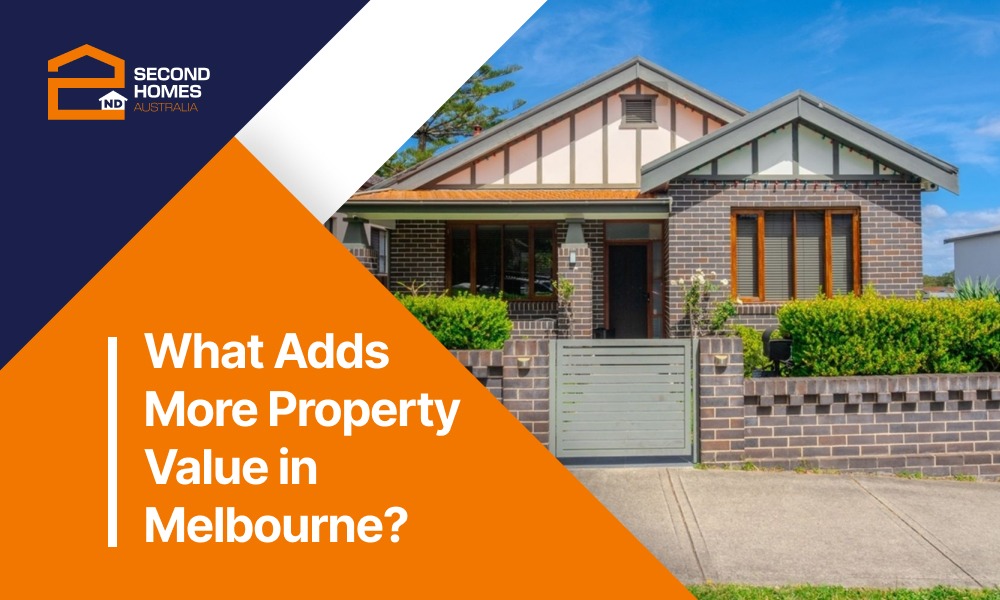
If you’re a homeowner in Melbourne, you’ve probably wondered how to get the most value out of your property. Two options that often come up are building a second home in your backyard or investing in modular homes in Melbourne. Both can add value, but they work in different ways. So, which one makes the most sense? Let’s break it down in a way that’s easy to follow.
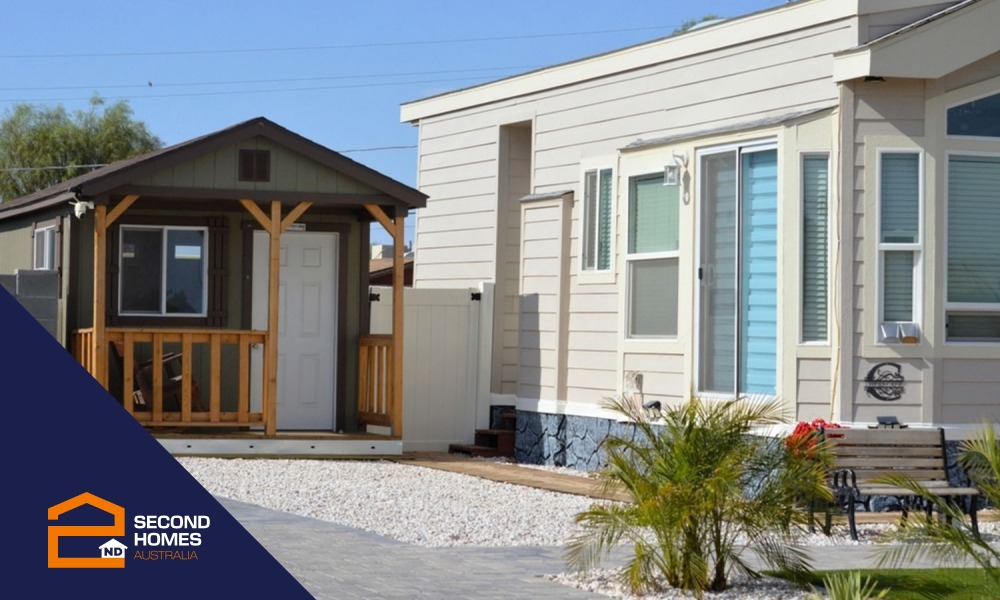
Modular homes in Melbourne are prefabricated houses built off-site and delivered to your property ready for assembly. The main selling point is speed. You don’t have to wait months for construction on-site, which can be a huge advantage if you want to move in or start renting quickly.
You’ll notice that modular homes often come in a range of layouts and sizes. This makes them suitable either as rental properties or extra space for family members. They are also usually cost-effective and consistently built. But it’s important to check local council regulations. Sometimes site access or zoning rules can limit where a modular home can go. Planning ahead here can save you a lot of stress later.
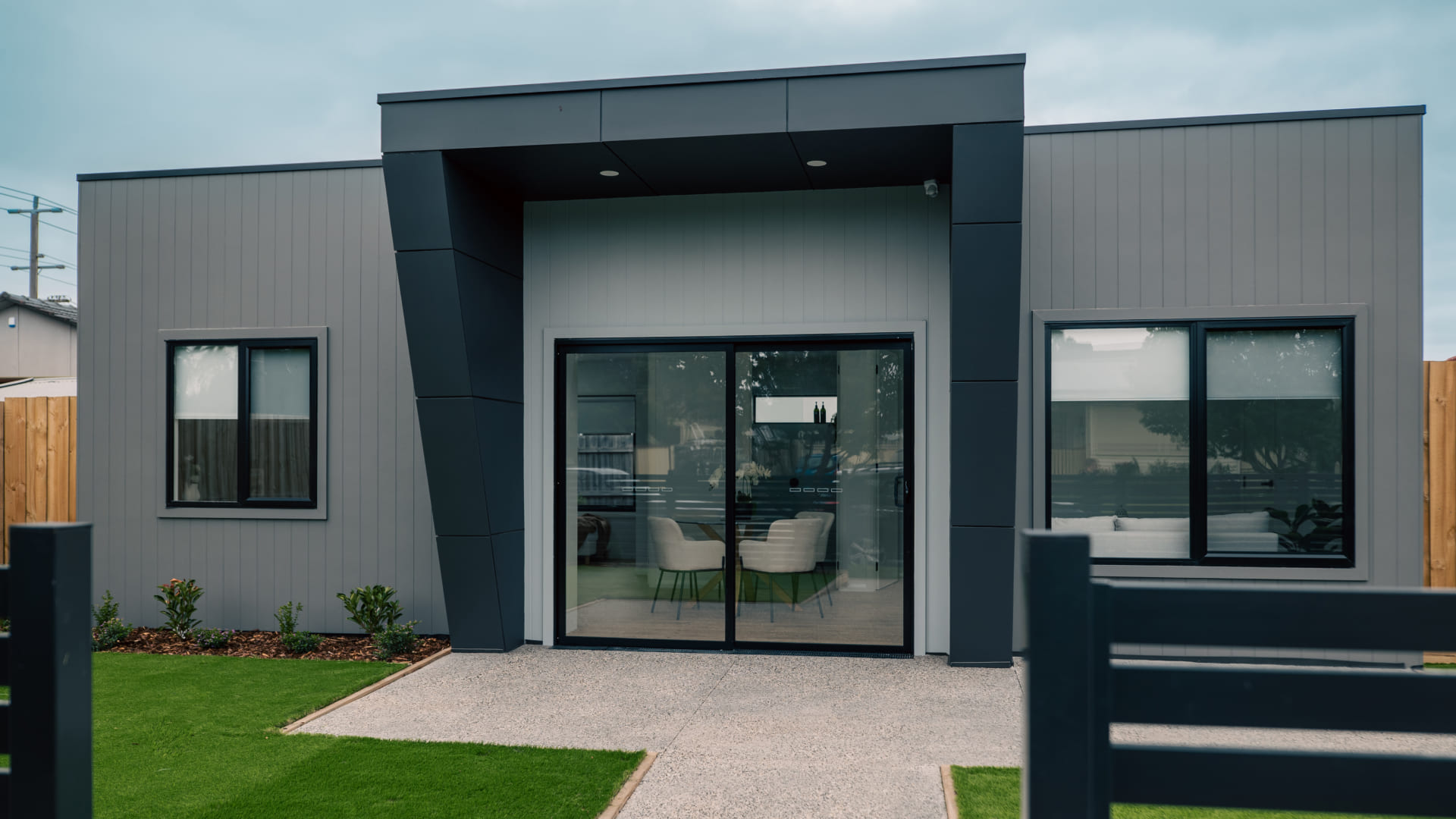
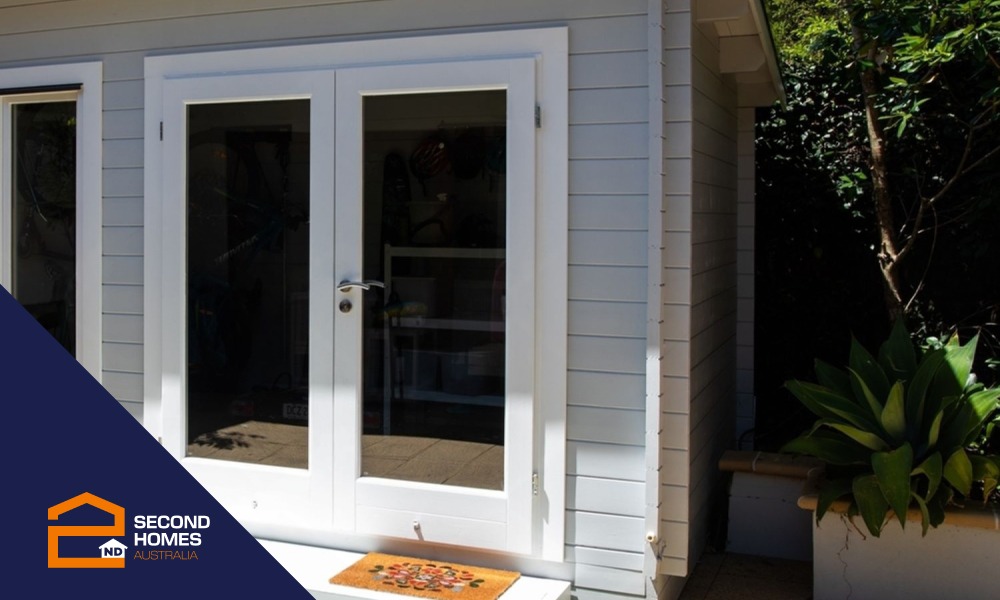
A second home is a fully site-built dwelling designed to complement your existing property. Unlike modular homes, these are built on-site using traditional materials like concrete slabs and steel frames. Companies like Second Homes Australia specialise in backyard homes and can deliver a turnkey solution in around 10–12 weeks from permit approval to handover.
Second homes are incredibly flexible. They can serve as long-term rentals, extra family space, or downsizer homes. Many buyers and tenants prefer them because on-site construction feels more permanent and substantial. If you’re thinking about long-term property value, that “solid” perception can make a real difference.
One advantage of modular homes in Melbourne is off-site construction, which can shorten the overall build time. That said, transporting and assembling them on-site still requires coordination. On-site second homes, by contrast, are typically completed in just over two months. The process is straightforward, and there’s no need for complex lifting or transport equipment.
If you like tweaking layouts and choosing finishes, second homes win here. They can be customised to fit your site perfectly. Modular homes are somewhat adaptable but are usually limited to the pre-designed modules. That might be fine if you like one of the standard designs, but there’s less room for personalisation.
Modular homes often have lower upfront costs due to the efficiencies of prefabrication. But don’t forget extra costs like transport, crane hire, and council requirements. Second homes are generally more expensive initially, but their robust construction and high-quality finishes often mean a better long-term return on investment. You’re paying for durability and buyer appeal, which can matter a lot if you plan to sell in the future.
Local councils can make rules for modular homes, especially if they’re considered primary dwellings or if site access is tricky. Second homes usually require fewer approvals, and in many Melbourne suburbs, you might not even need a planning permit. That simplicity can save time and hassle.
When it comes to boosting property value, second homes usually have the edge. They’re built on-site, look like a permanent structure, and attract both tenants and buyers. They also give you flexibility for rental income, extra family space, or downsizer options — all of which can increase property value noticeably.
Still, modular homes in Melbourne can enhance value too. They’re modern, cost-effective, and ideal if speed is important. Their value is maximised when they meet rental demand or are placed in areas with easy council approvals. For many homeowners, they offer a solid middle ground between cost, speed, and added space.
Second Homes Australia provides examples showing how a backyard second home can transform property value:
These cases show that second homes can start generating income quickly while boosting long-term property value. It’s interesting to see how much income a small backyard property can produce.
Both second homes and modular homes in Melbourne offer ways to increase property value. Second homes often give stronger long-term returns because they look solid, offer flexibility, and appeal to tenants and buyers.
But if speed, cost, and modern design are priorities, modular homes are still a very viable choice. The key is weighing your budget, council regulations, and personal goals. Done right, either approach can make a big difference to your property’s value.
In the end, it’s about planning carefully and working with the right builder. That way, you can enjoy extra space, rental income, or long-term investment growth — whichever matters most to you.