Modular Homes Melbourne?
There's a Better Way to Build in Your Backyard
When people search for modular homes in Melbourne, they are usually looking for a faster, cost effective way to add a second dwelling to their property. What many homeowners do not realise is that a second home built on site can offer the same efficiency, with stronger construction, fewer transport limitations, and a more seamless finish.
Why Many Homeowners Start by Searching Modular Homes
Many homeowners begin their research by looking into modular homes in Melbourne because they are often promoted as a fast and convenient way to add an extra dwelling to their property. The idea of having a home built off site and delivered ready to install can sound appealing, especially for those who are unfamiliar with other options.
It is common for people to go to Google and search “Victoria modular homes believing this is the most efficient or cost effective way to build in their backyard. In most cases, this assumption comes from not yet understanding how second homes are built and how streamlined the on site construction process can actually be.
As homeowners learn more about the realities of modular homes in Melbourne, including transport limitations, longer lead times and reduced flexibility once the design is locked in, many begin to reassess whether this approach truly suits their block. This is often the point where second homes enter the conversation as a more practical and reliable alternative.
Second Homes vs Modular Homes
At a glance, second homes and modular homes can seem similar. Both are often discussed as backyard solutions, and both are marketed as efficient alternatives to traditional builds. This is why many homeowners exploring modular homes in Melbourne assume they are comparing like for like.
The key difference lies in how the home is actually built.
Modular homes are manufactured off site, transported to the property, and then assembled once delivered. While this approach works in some scenarios, it introduces additional variables such as transport logistics, site access restrictions, crane requirements, and longer overall lead times. For many people researching modular homes in Melbourne, these factors only become clear once the process is already underway.
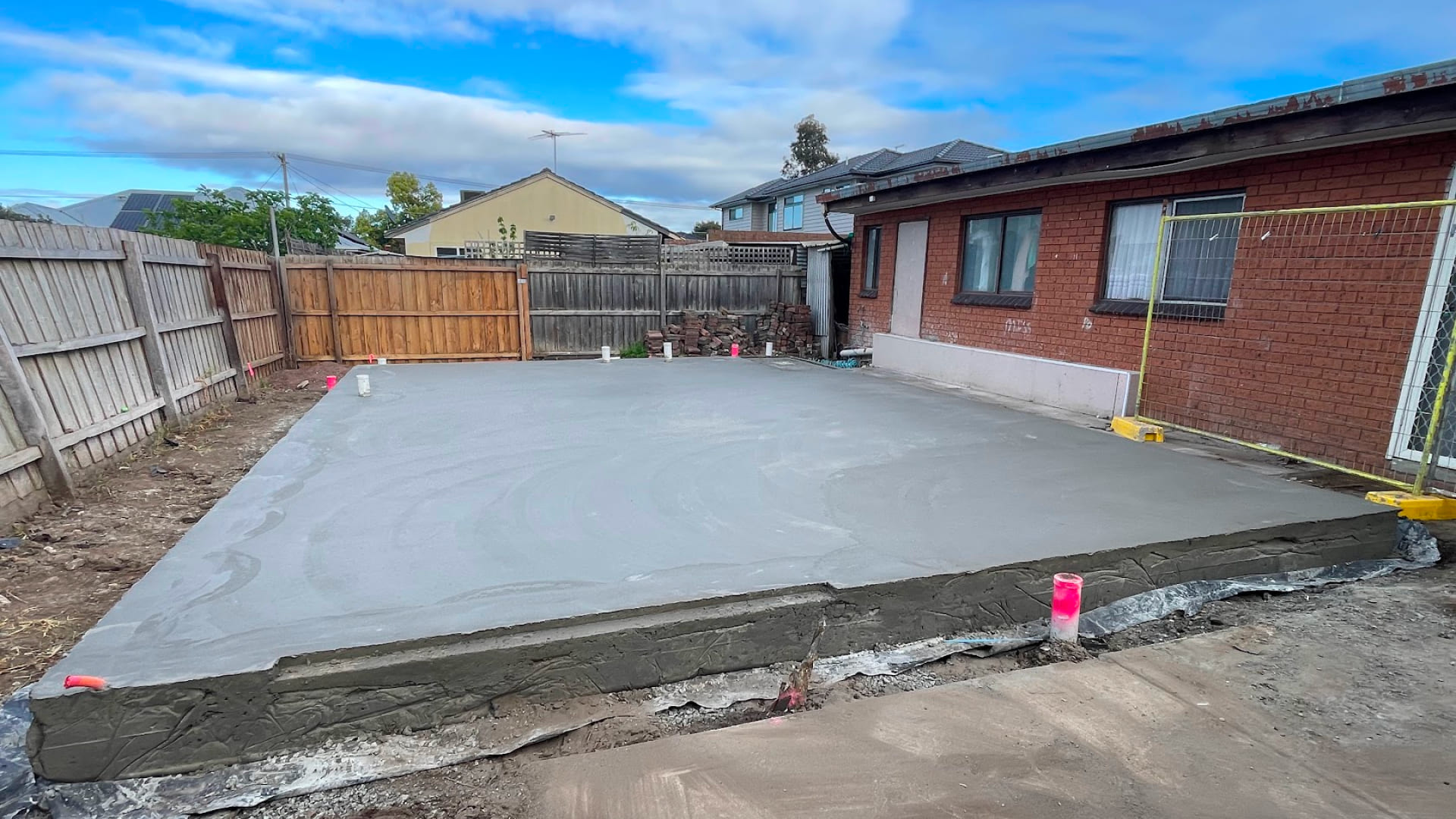
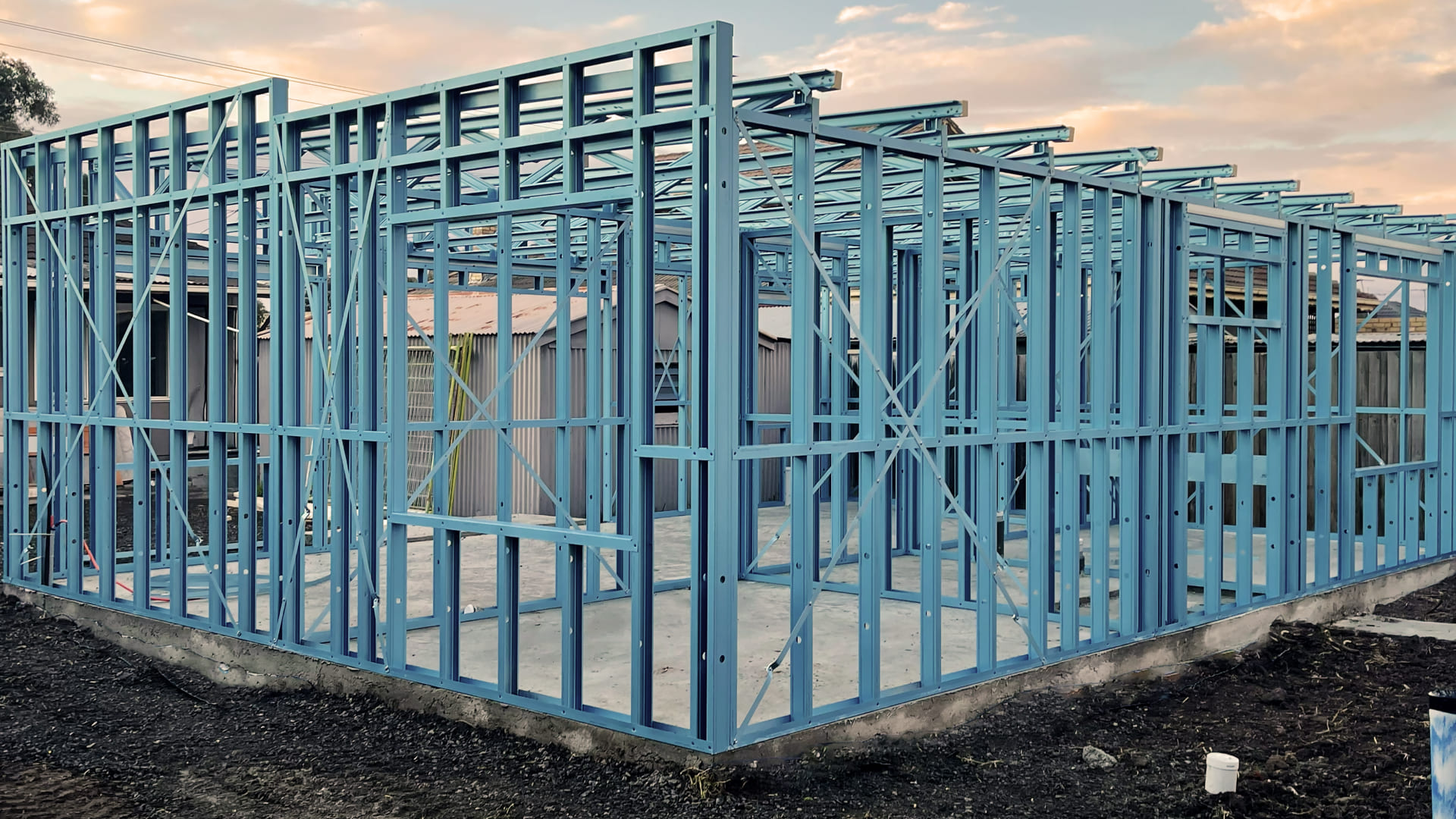
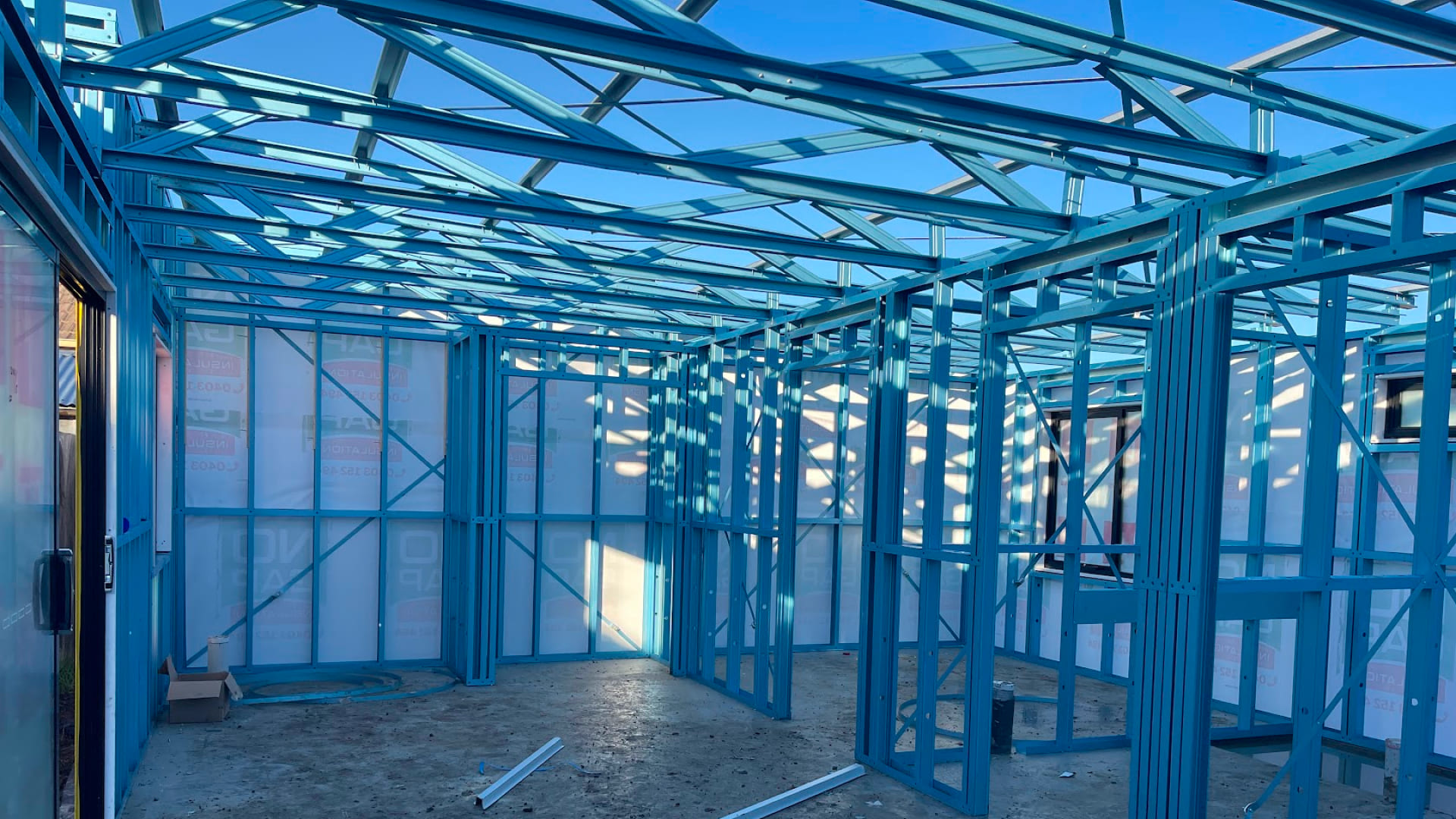
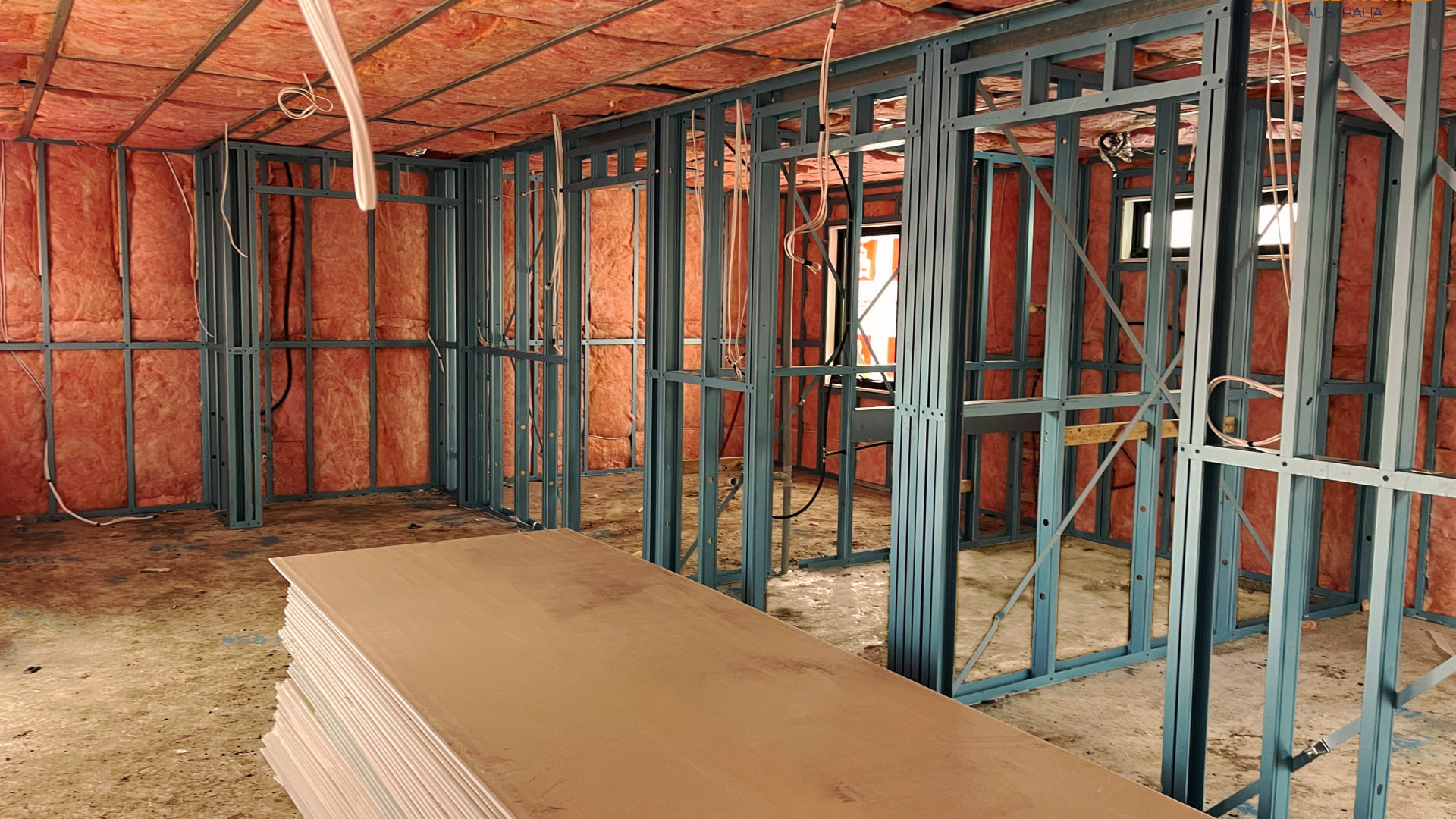
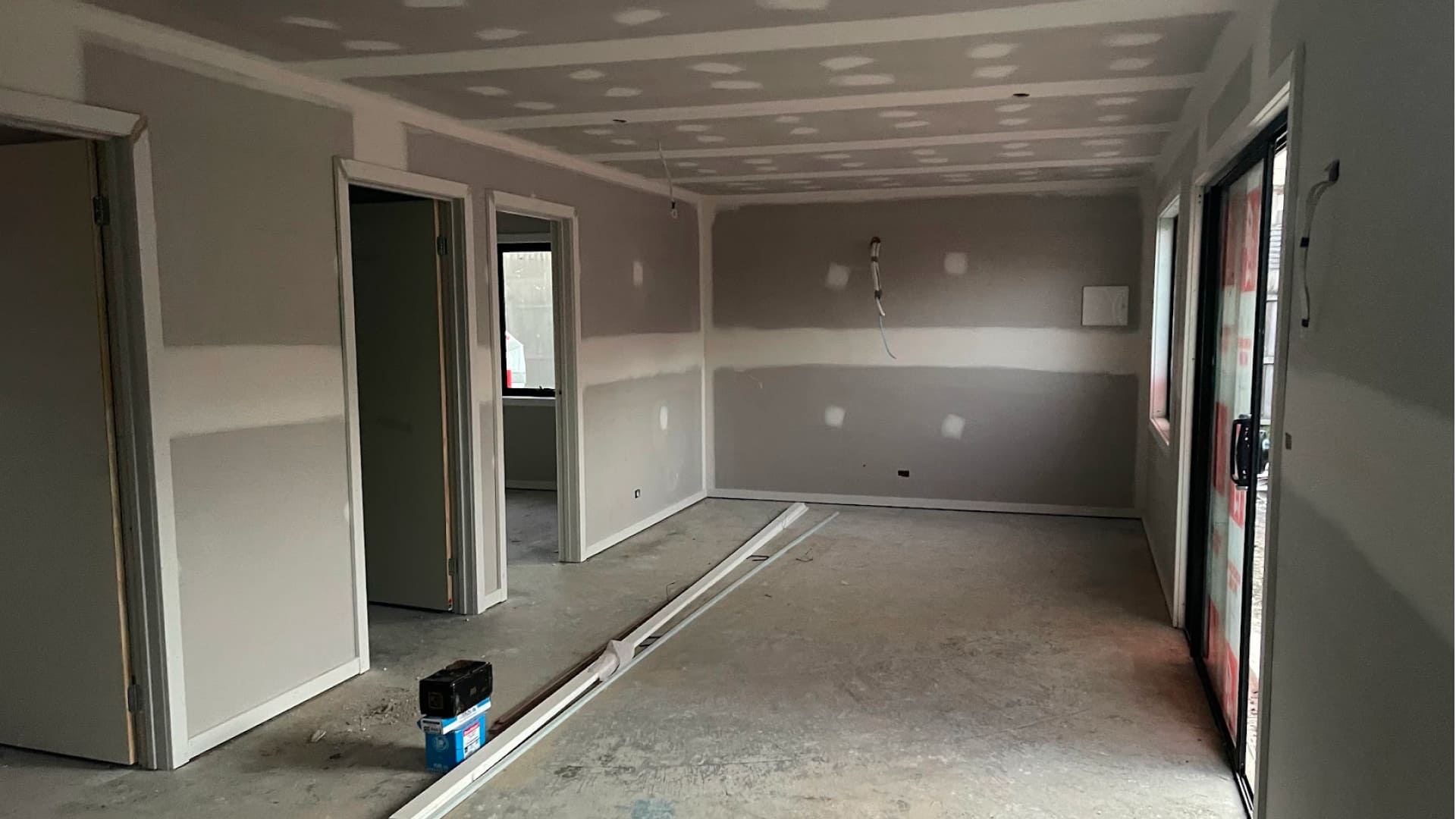
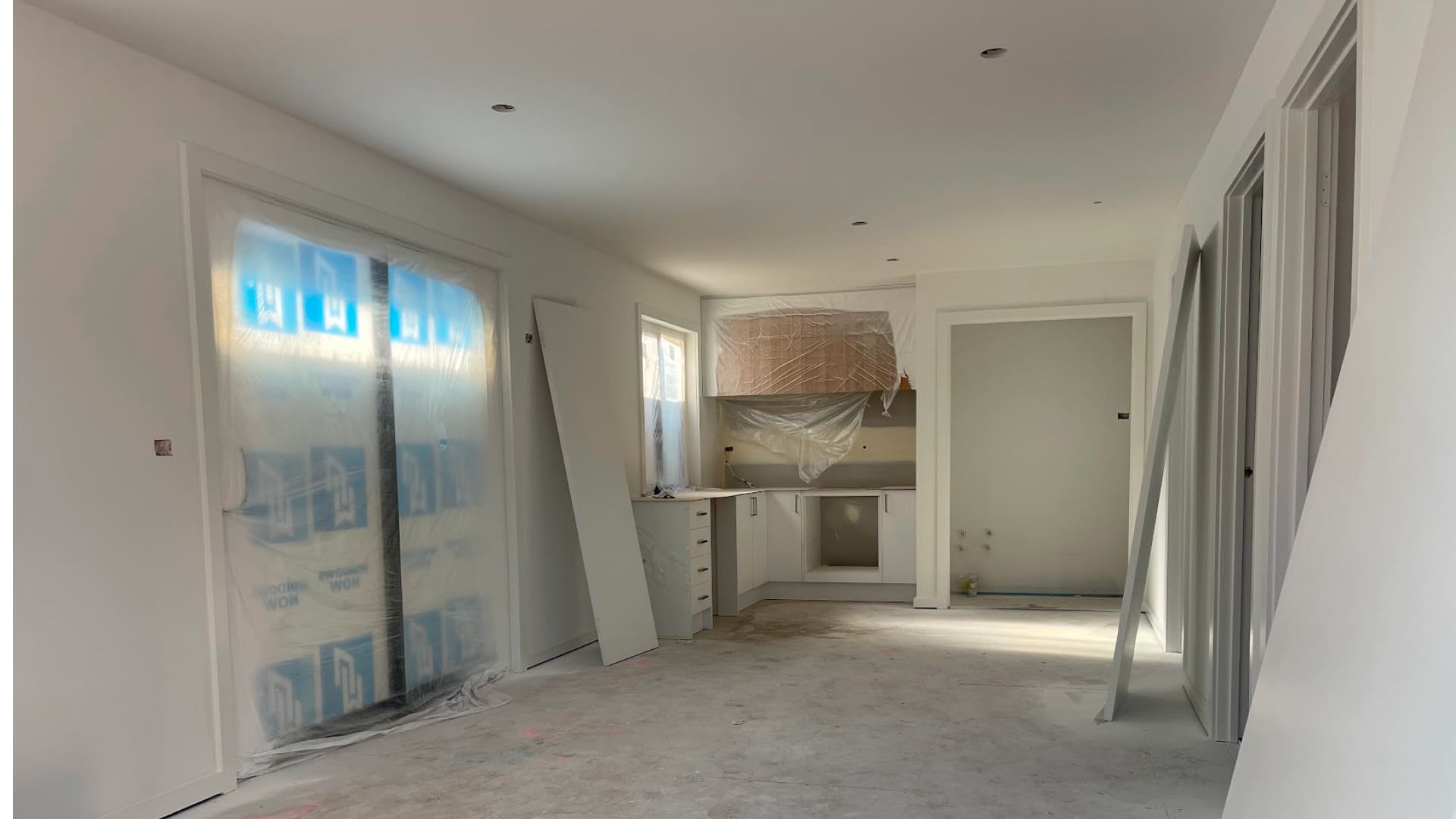
Second homes are built entirely on site, using a concrete slab and steel frame, just like a standard residential build. This allows for tighter construction control, fewer transport dependencies, and a faster end to end timeline. Most second homes are completed within 10 to 12 weeks, compared to modular builds that often extend beyond 15 weeks once manufacturing, delivery, and installation are factored in.
When people search for victoria modular homes, they are usually looking for efficiency, cost certainty, and a simple process. What many do not realise is that a traditionally built second home can often achieve those same goals, while avoiding the compromises that come with off site construction.
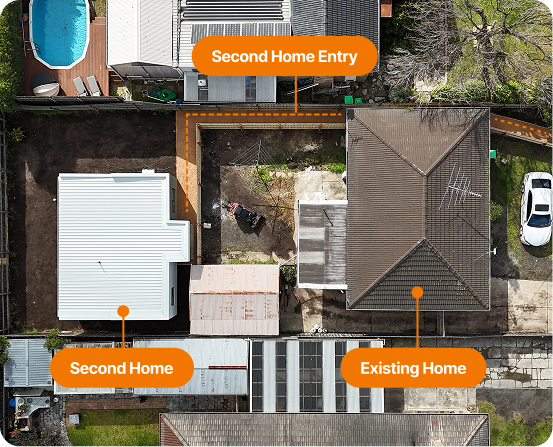
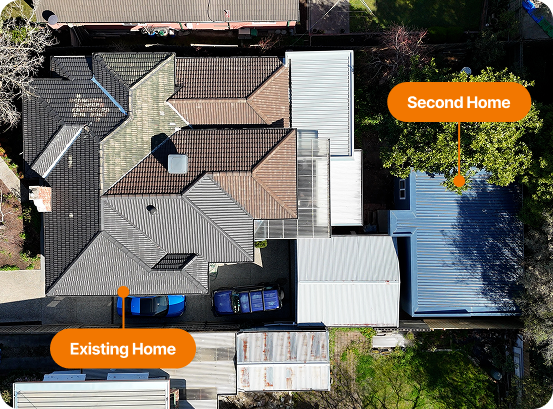
Rather than relying on factory production and transport schedules, second homes offer a more straightforward build process that is designed to integrate seamlessly with your existing property.
For homeowners comparing modular homes in Melbourne against other options, this difference in construction method can have a significant impact on timelines, build quality, and long term outcomes.
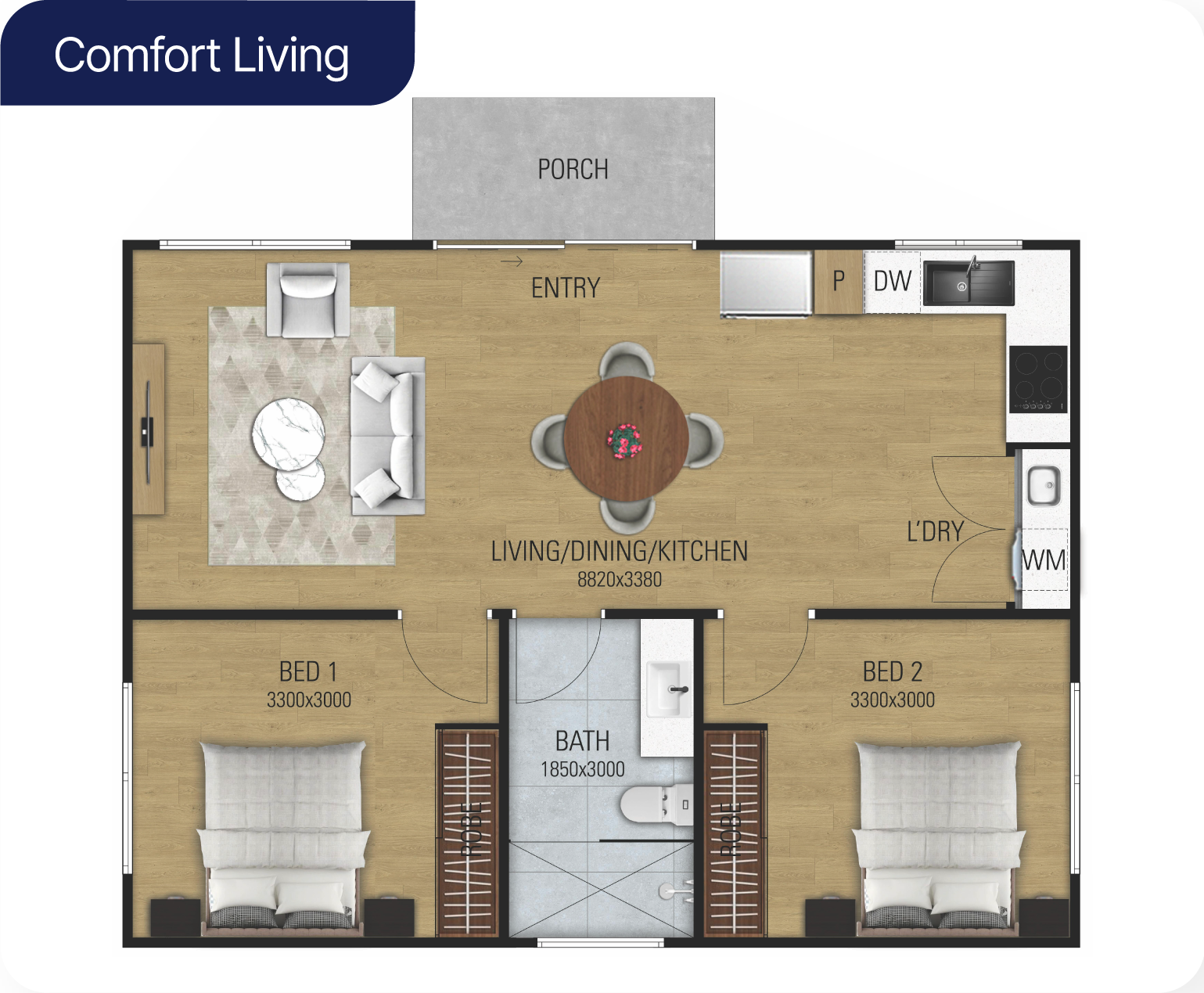
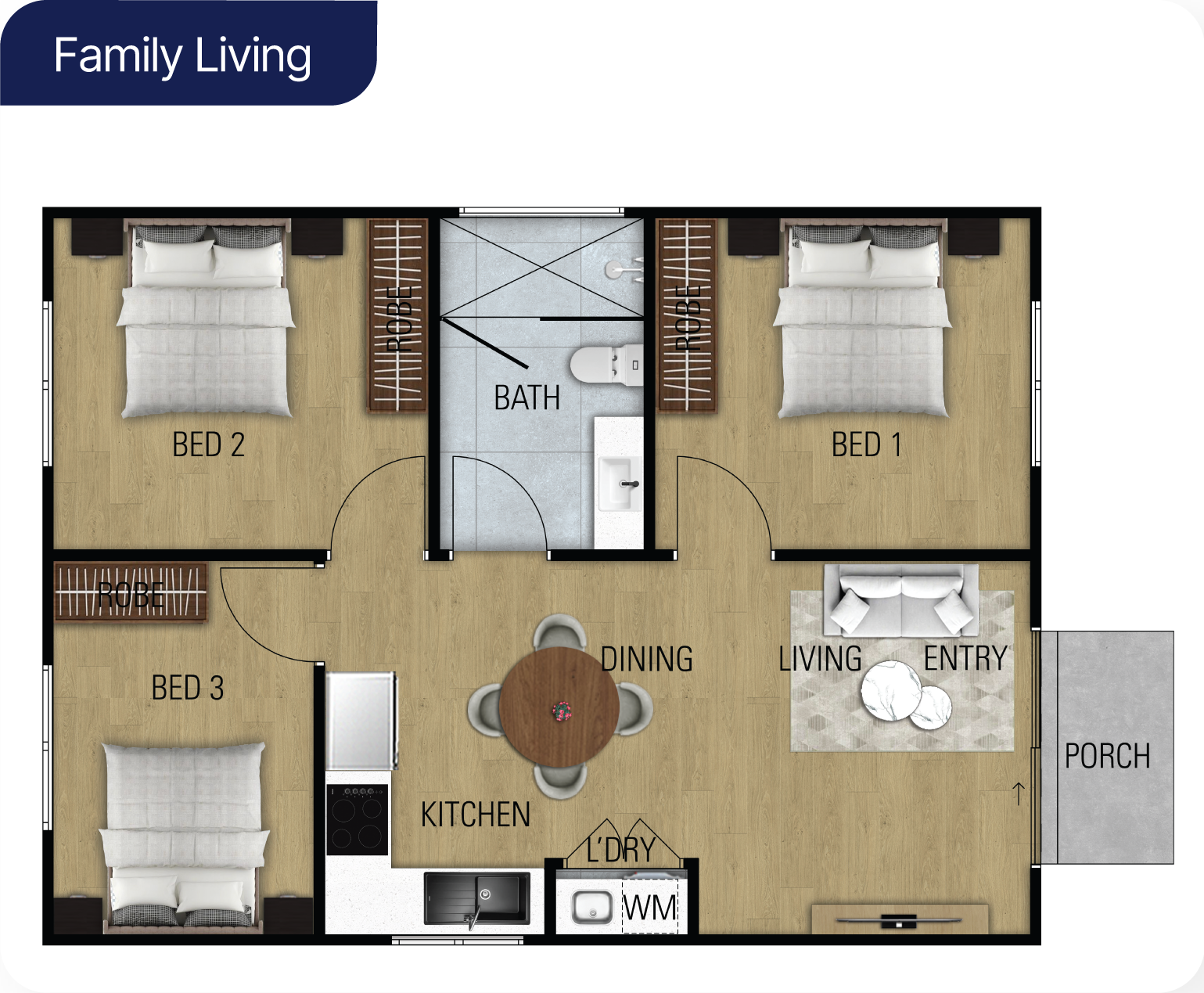
Our Designs
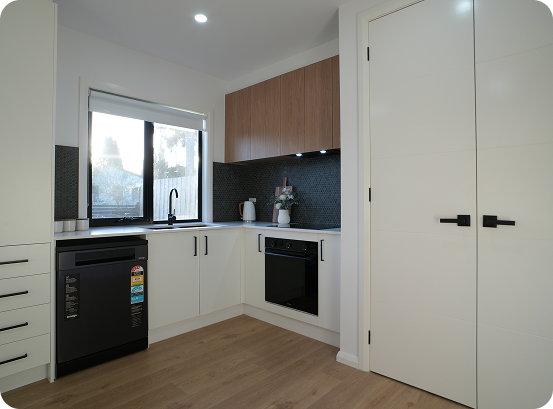
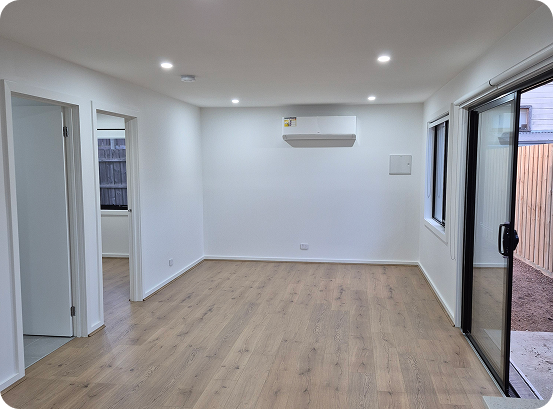
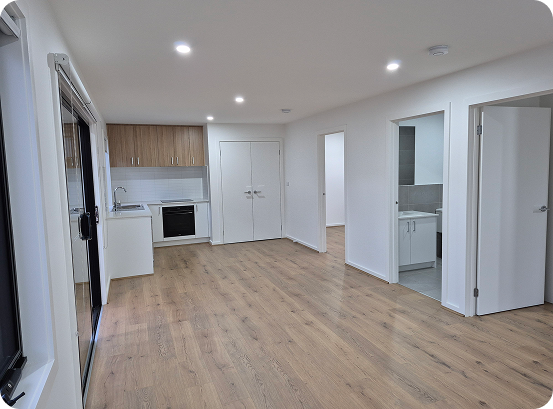
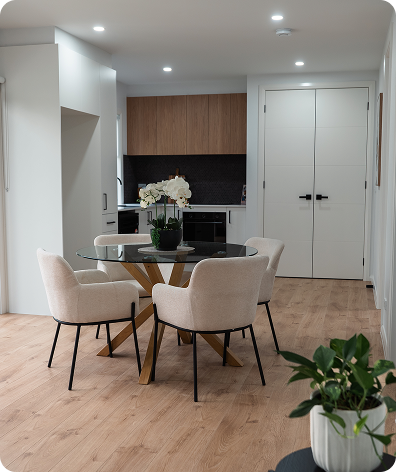
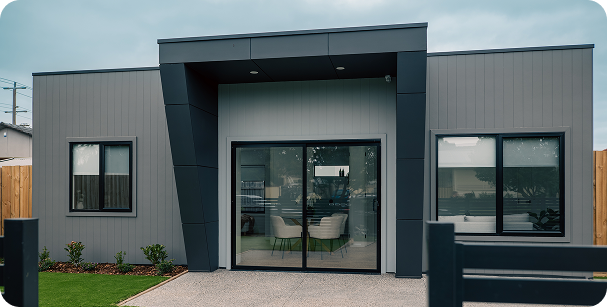
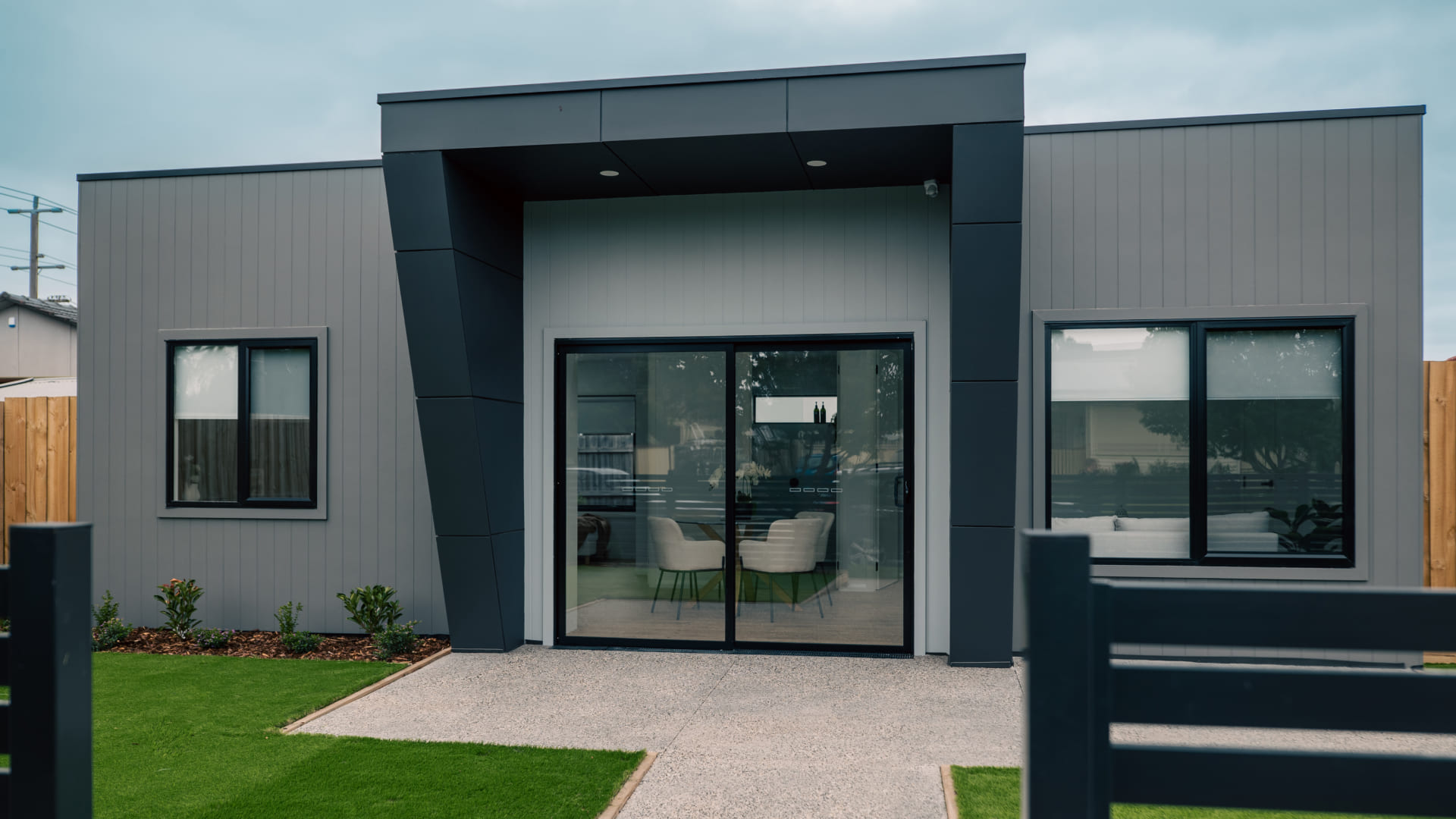
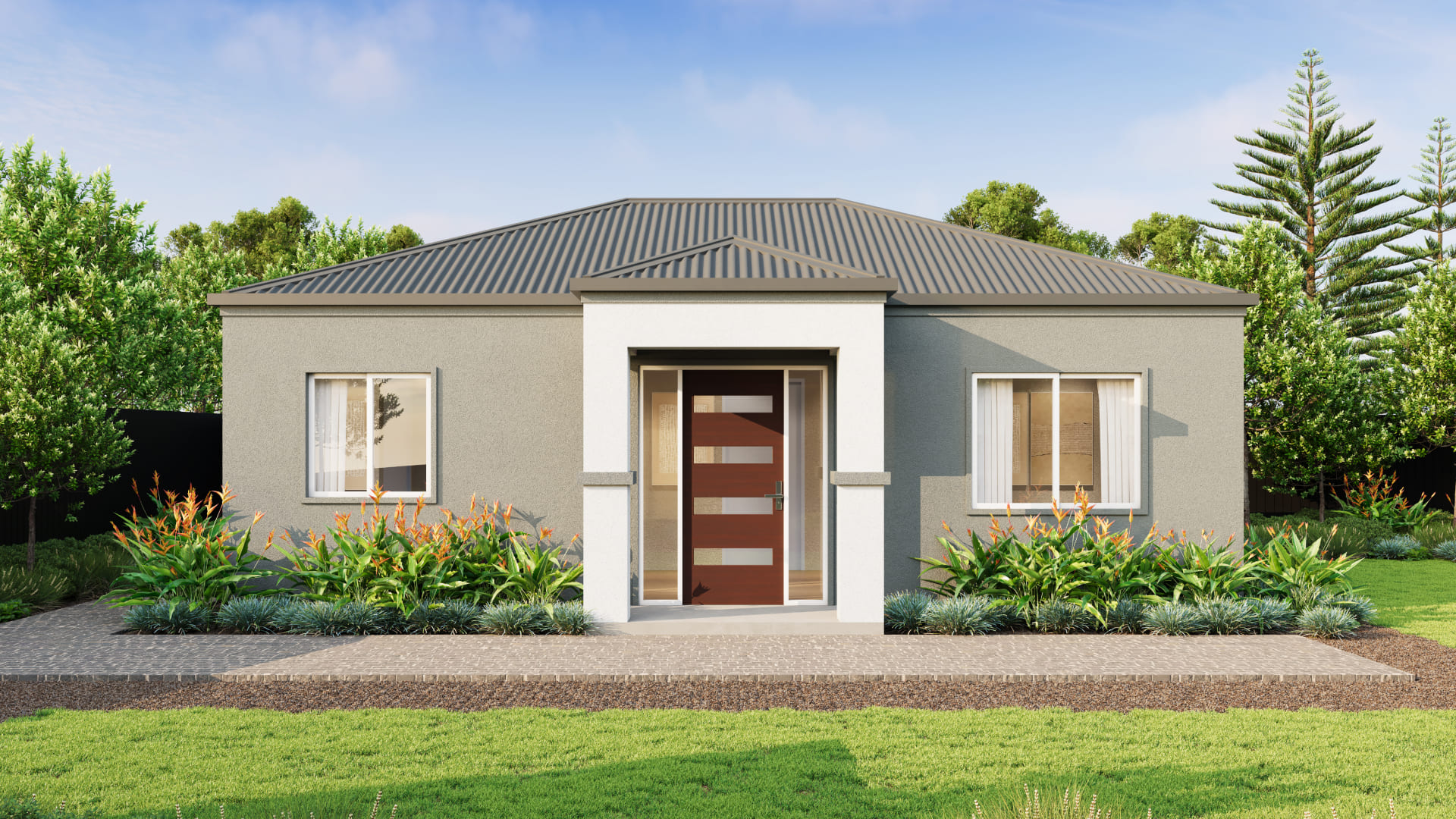
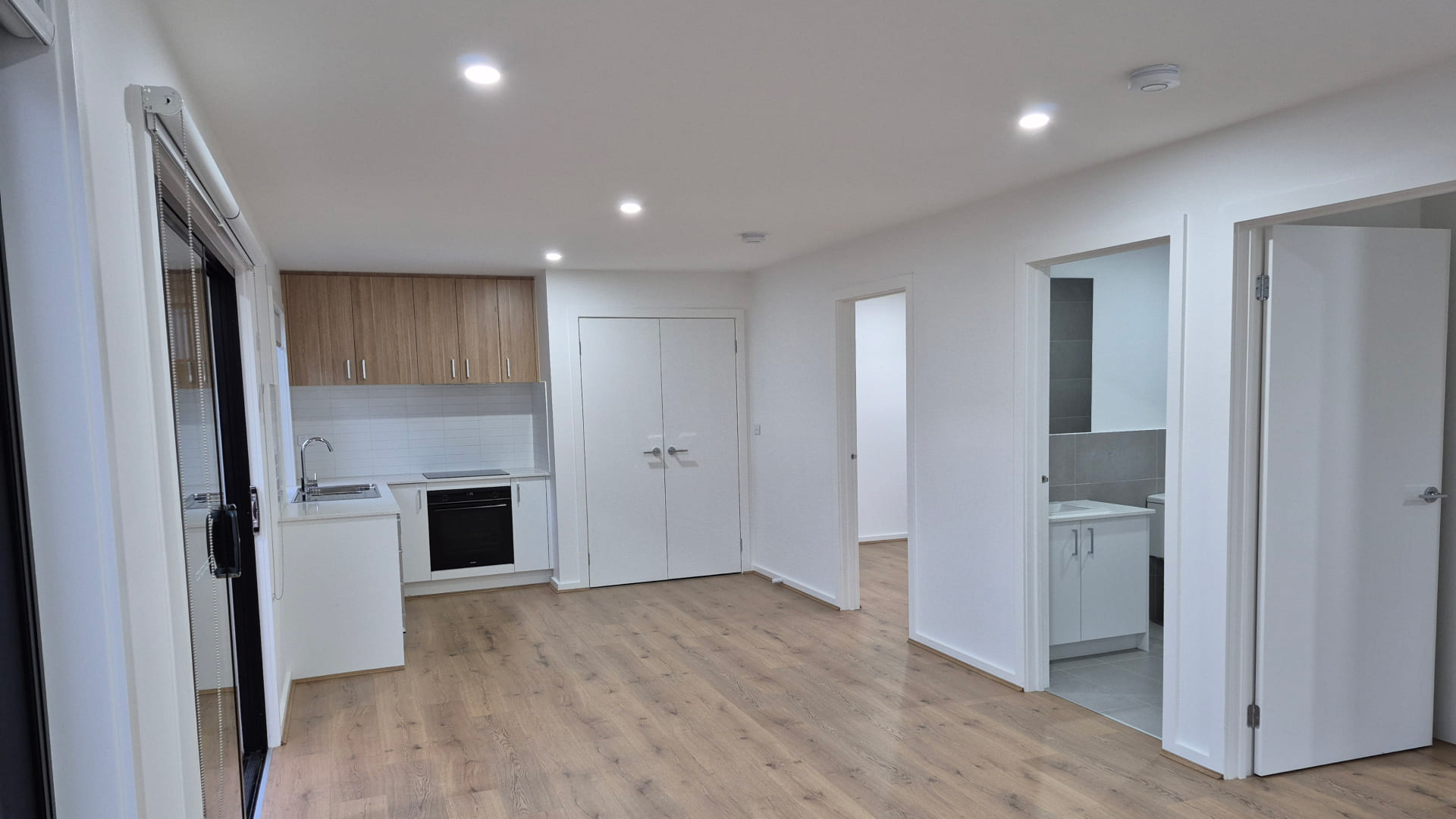
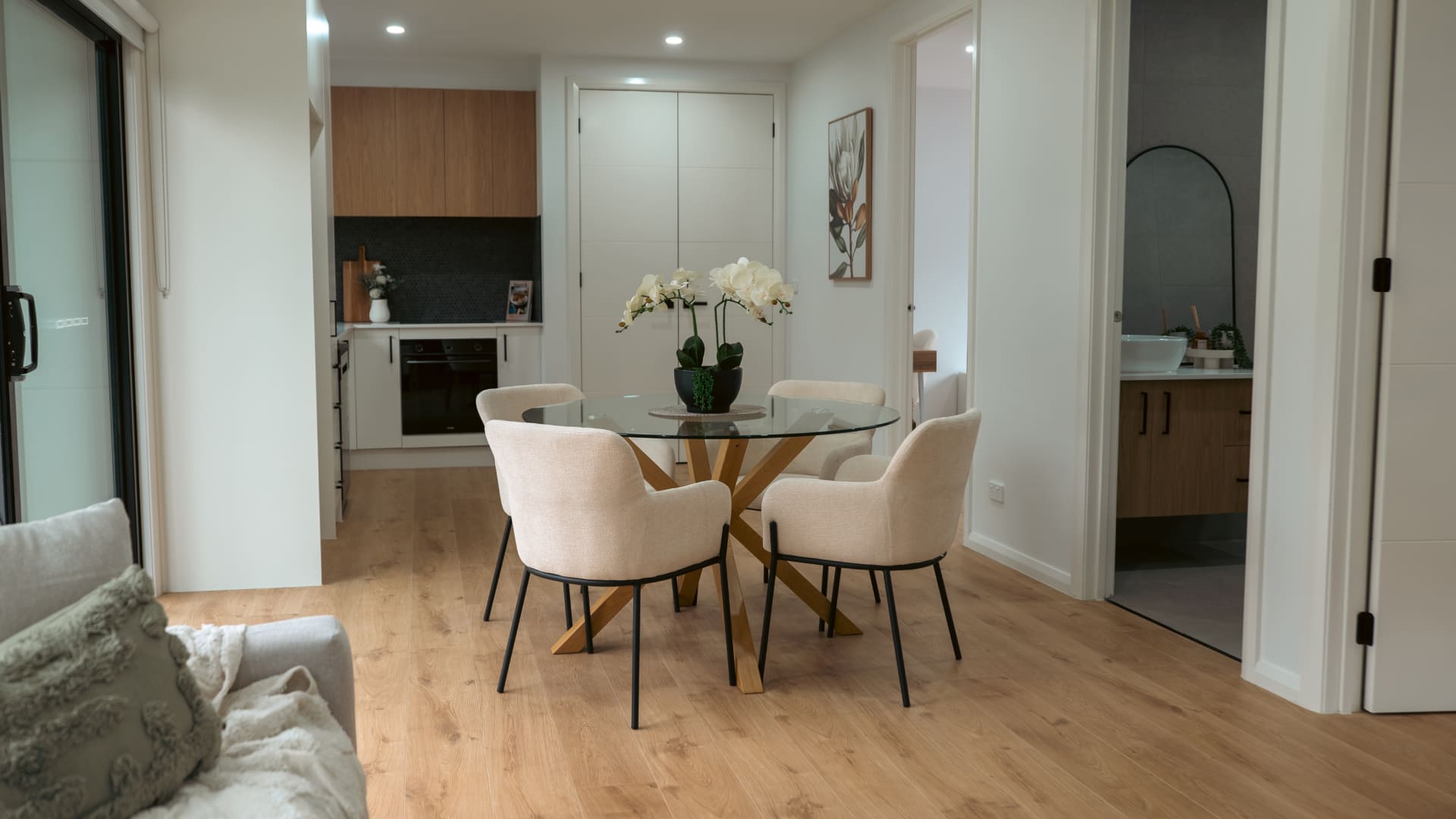
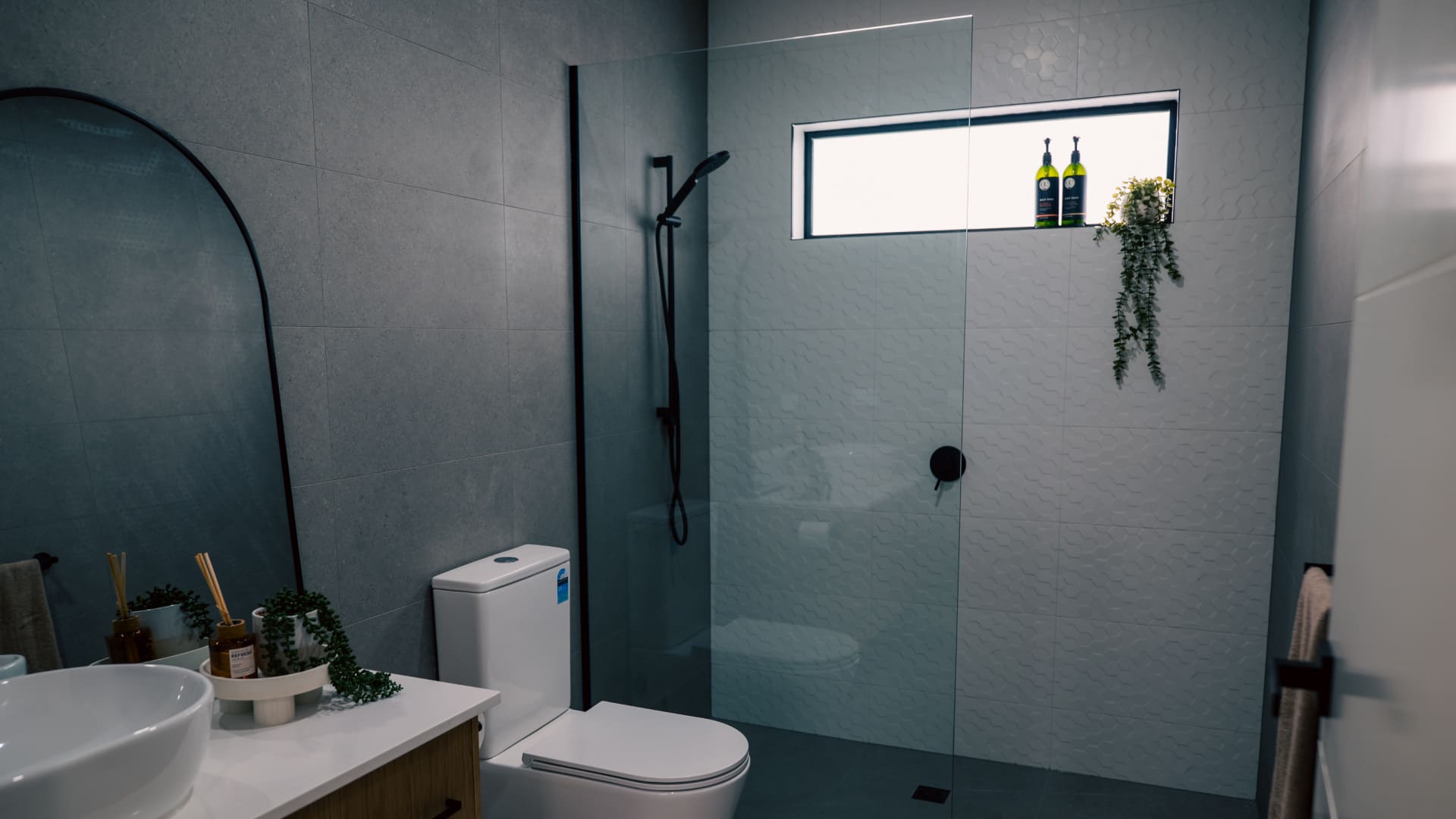
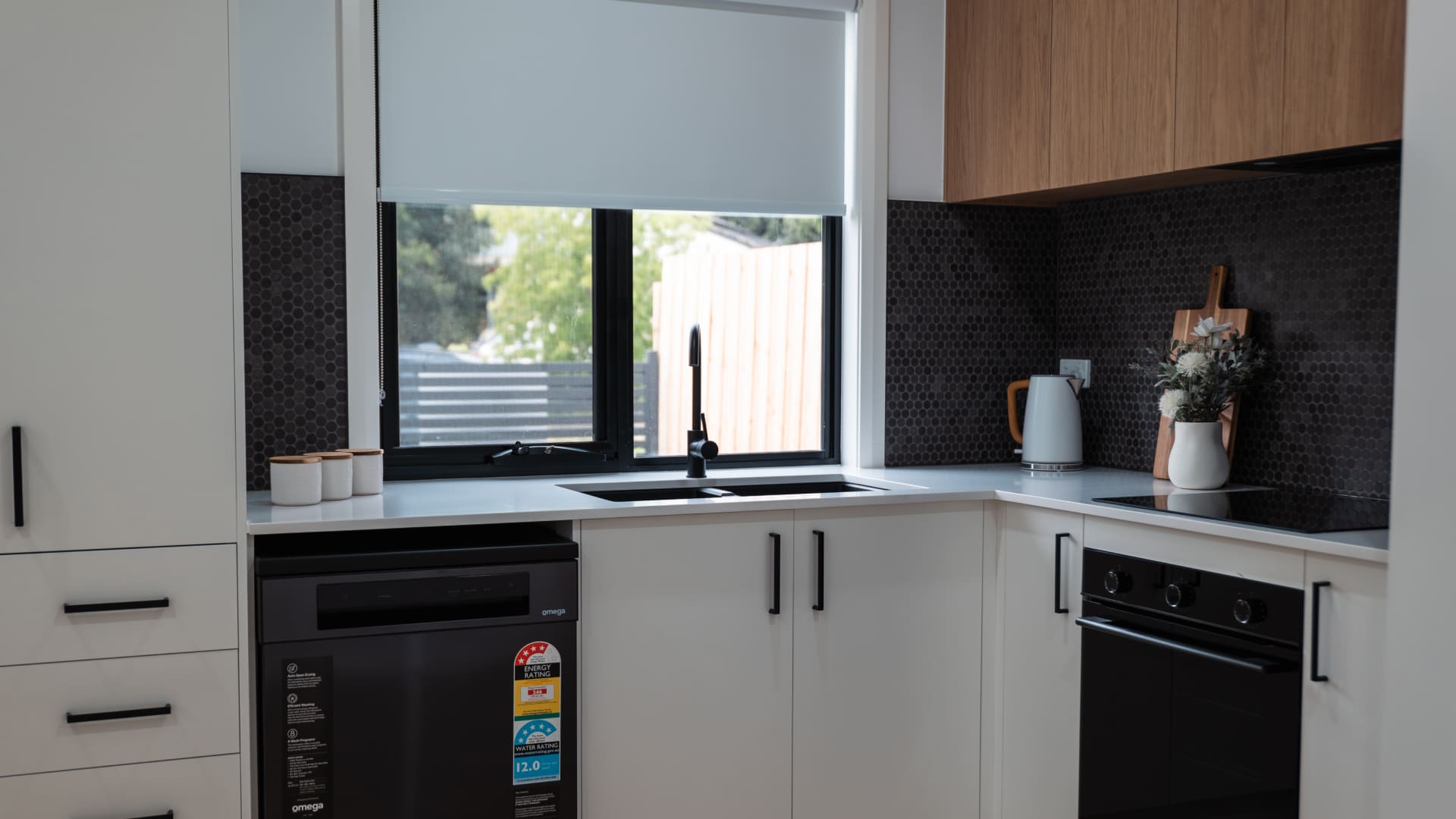
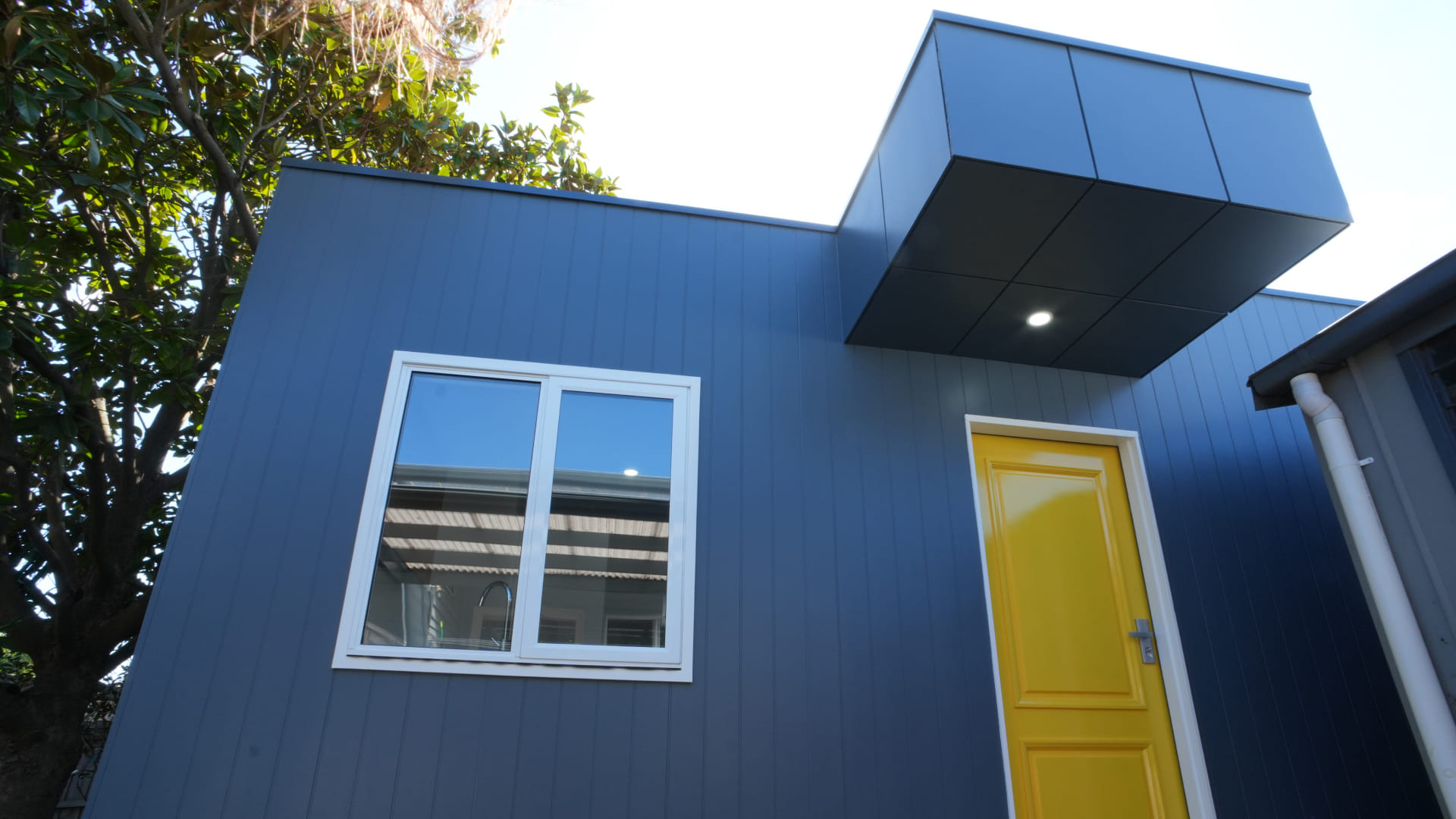
Our designs focus on creating spaces that feel balanced and well thought out, with a strong emphasis on comfort, privacy, and everyday usability. The layouts shown here are examples only, with plenty of flexibility to tailor a design that works best for your space and how you plan to use it.
How the Process Works
We take care of the entire journey, removing uncertainty and keeping timelines clear. From your first enquiry to
handover, our team manages every step so the experience stays smooth and stress free.


What Homeowners Are Saying
Frequently Asked Questions
How is a second home different from a modular home?
While both options provide additional living space, the key difference lies in how they are built and the level of customisation involved. Second homes are constructed on site using traditional building methods, allowing for greater flexibility in design, layout, and integration with the existing property.
In contrast, modular homes in Melbourne are typically prefabricated in sections off site and then transported for assembly. This can speed up construction time, but it may come with limitations in design flexibility and site-specific customisation.
For homeowners who want a fully tailored solution that feels cohesive with their main residence and maximises long term value, a second home often provides a more personalised and permanent outcome.
Is a second home a permanent dwelling?
In many cases, yes, a well-designed second home generates stronger rental income because it feels and functions like a standalone residence rather than an add-on. Tenants are often willing to pay more for solid construction, privacy, and long-term liveability.
Compared to modular homes in Melbourne, the higher build quality and on-site construction of a second home, such as a concrete slab and steel frame, can significantly boost rental appeal. As a result, many property owners choose a second home to maximise rental returns and long-term value.
Why do some homeowners move away from modular home options in Melbourne?
Can a second home be used for family living or rental income?
Yes, a second home can be used for both family living and rental income. It provides a fully self-contained space ideal for multigenerational living, guest accommodation, or independent family members, while also offering strong rental potential due to privacy, quality construction, and high tenant demand, especially in growing areas across Victoria.
Our Case Studies
Hadfield, VIC 3046
- 2-Bedroom, 60m2 Second Home
- Construction Time: 10 weeks from permit to handover
- Use: Long-term rental
- Rental Income: $550/week
- Return on Investment: ~17.8%
Fawkner, VIC 3060
- 2 Bedroom Dwelling, 60m2 Second Home
- Construction Time: 9 weeks from permit to handover
- Use: Long-term rental
- Rental Income: $510/week
- Return on Investment: 15.88%
Doncaster, VIC 3108
- 2 Bedroom Dwelling, 60m2 Second Home
- Construction Time: 8 weeks from permit to handover
- Use: Family
Dallas, VIC 3047
- 2 Bedroom Dwelling, 60m2 Second Home
- Construction Time: 12 weeks from permit to handover
- Use: Long-term rental
- Rental Income: $450/week
- Return on Investment: 14.62%
Heathmont, VIC 3135
- 1 Bedroom Dwelling, 45m2 Second Home
- Construction Time: 11 weeks from permit to handover
- Use: Family
Delahey, VIC 3037
- 2 Bedroom Dwelling, 45m2 Second Home
- Construction Time: 12 weeks from permit to handover
- Use: Family
Hadfield, VIC 3046
- 2-Bedroom, 60m2 Second Home
- Construction Time: 10 weeks from permit to handover
- Use: Long-term rental
- Rental Income: $550/week
- Return on Investment: ~17.8%
Fawkner, VIC 3060
- 2 Bedroom Dwelling, 60m2 Second Home
- Construction Time: 9 weeks from permit to handover
- Use: Long-term rental
- Rental Income: $510/week
- Return on Investment: 15.88%
Doncaster, VIC 3108
- 2 Bedroom Dwelling, 60m2 Second Home
- Construction Time: 8 weeks from permit to handover
- Use: Family
Dallas, VIC 3047
- 2 Bedroom Dwelling, 60m2 Second Home
- Construction Time: 12 weeks from permit to handover
- Use: Long-term rental
- Rental Income: $450/week
- Return on Investment: 14.62%
Heathmont, VIC 3135
- 1 Bedroom Dwelling, 45m2 Second Home
- Construction Time: 11 weeks from permit to handover
- Use: Family
Delahey, VIC 3037
- 2 Bedroom Dwelling, 45m2 Second Home
- Construction Time: 12 weeks from permit to handover
- Use: Family