
Understanding the build journey from assessment to handover in Melbourne
Building a Second Home is one of the most effective ways to create additional living space or generate rental income without relocating. While many homeowners want a single timeframe, the reality is that a Second Home follows a clear, staged process. Each stage plays a role in how smoothly the project progresses, particularly when planning a second home in Melbourne or designing small second dwellings in Melbourne for long term use.
Rather than focusing only on dates, it is more useful to understand how the process works from start to finish and where time is typically spent.
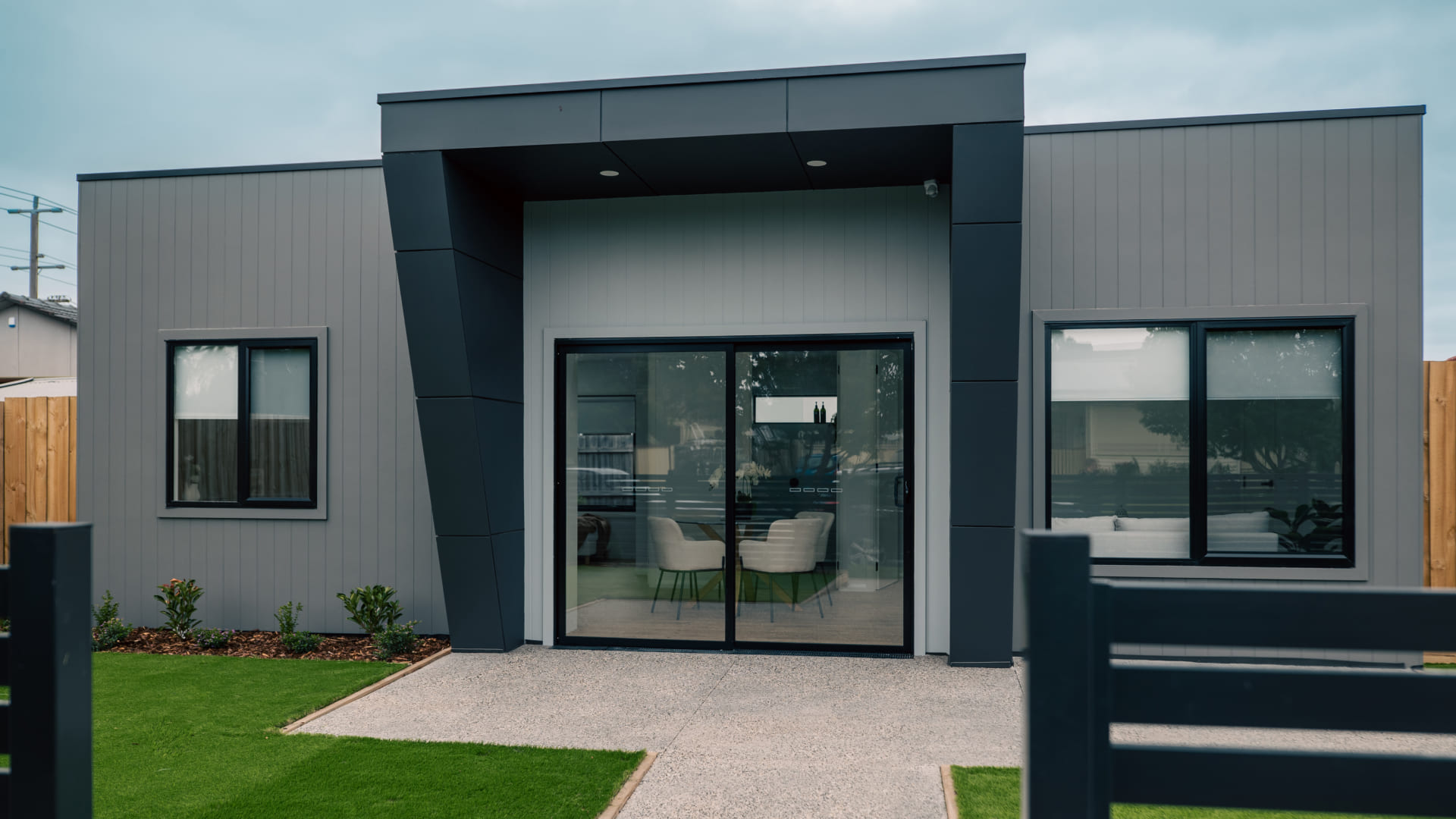
A Second Home is a fully self contained dwelling built on the same title as an existing home. Unlike renovations or extensions, the build process is handled as a separate project, which allows construction to progress without disrupting life inside the main residence.
For many homeowners, a second home in Melbourne offers a more efficient build experience because trades can work independently, materials can be delivered directly to the site, and scheduling is more predictable. Small second dwellings in Melbourne also benefit from a reduced footprint, fewer internal spaces, and simpler construction sequencing.
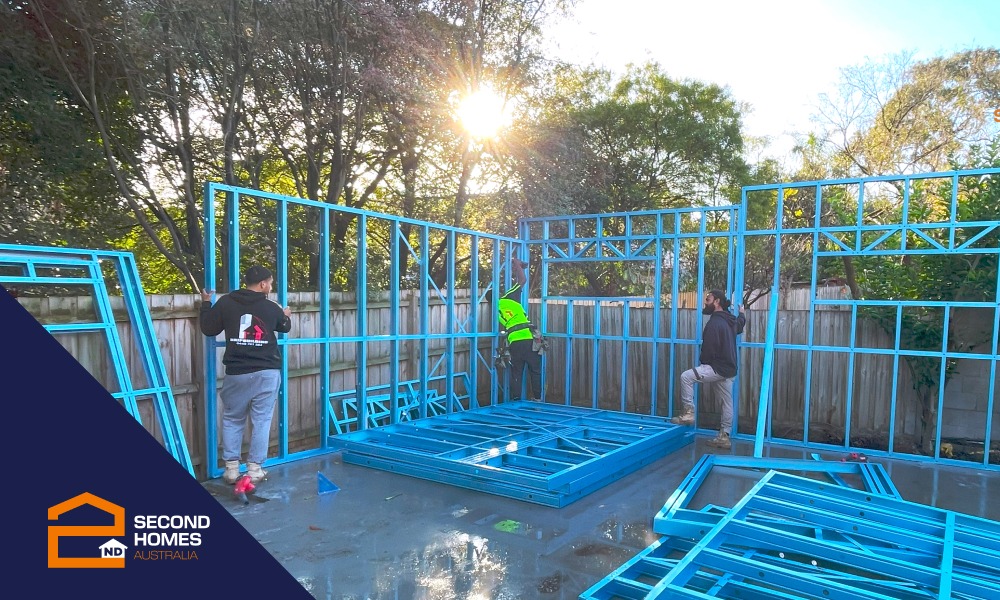
While the construction stage itself is clearly defined, the full journey includes several steps that influence overall timing.
Blocks with good access allow machinery, trades, and materials to move freely. Limited side access, slopes, or tight rear setbacks can introduce additional planning and coordination.
Some sites require additional groundwork or slab engineering. These requirements are identified early to ensure construction can proceed without disruption.
Local council controls and overlays play a major role, especially for small second dwellings in Melbourne. Setbacks, privacy, and neighbourhood character must be addressed before construction can begin.
A clear design from the outset helps avoid changes later in the process. Late variations can affect documentation, ordering, and trade scheduling.
The process begins with an online property assessment to confirm whether the site is suitable. This early review considers block size, zoning, access, and basic compliance requirements.
For homeowners exploring a second home in Melbourne, this step provides clarity before time or money is committed.
Visiting the display home allows you to experience layouts, finishes, and build quality firsthand. Once selections are discussed, a detailed quote is prepared.
This step helps align expectations and provides a clear understanding of what is included before moving forward.
A site visit is conducted to identify any potential issues before signing. Access points, site conditions, and service connections are reviewed to ensure the design suits the block.
For small second dwellings in Melbourne, this step is especially important as site efficiency plays a major role in build success.
Once the quote is accepted, the contract is issued and signed. This formalises the project and allows documentation and permit preparation to commence.
Clear documentation at this stage helps avoid uncertainty later in the build.
All required documentation is prepared and submitted for building approval. This includes engineering, energy assessments where required, and construction drawings.
Building permit documentation typically takes around five weeks to progress through approval, depending on site conditions and authority requirements. This step must be completed before construction can begin on a second home in Melbourne.
Construction begins only once permits are issued and documentation is finalised. This allows the build phase to proceed in a controlled and structured way.
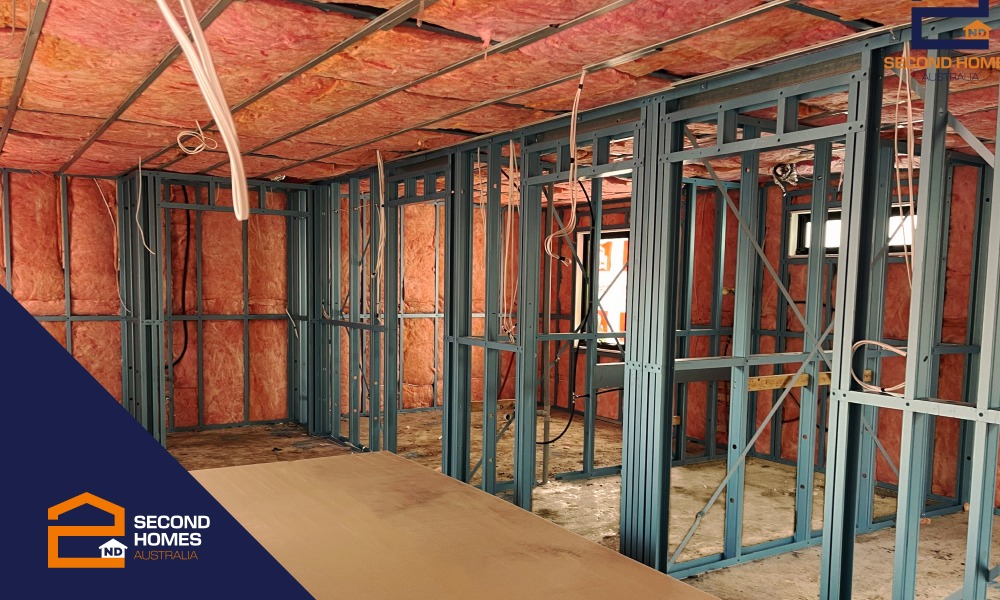
Construction works typically take approximately ten weeks and are completed in clearly defined stages. Progress payments are made as each stage is completed, providing transparency throughout the build.
For small second dwellings in Melbourne, this structured approach helps ensure efficiency without compromising quality.
The final stage includes inspections, finishing touches, and the issue of the occupancy permit. Once complete, the Second Home is ready for occupation or rental use.
For many homeowners, this is when the value of a second home in Melbourne becomes tangible, whether through additional family space or rental income.
Every property and council requirement is different. While construction itself follows a defined and efficient sequence, approvals and site factors can vary.
Homeowners who choose small second dwellings in Melbourne often benefit from:
A clear process removes uncertainty and helps ensure each stage progresses smoothly.
Second Homes Australia follows a proven, step by step process designed specifically for Melbourne conditions. By focusing on early assessment, clear documentation, and a structured construction phase, they provide homeowners with confidence at every stage.
Whether you are planning a second home in Melbourne for family living or considering small second dwellings in Melbourne as an investment, understanding the journey from assessment to handover makes the entire experience far more manageable.
The best next step is confirming whether your property qualifies and understanding how the approval pathway applies to your site. With the right guidance early, the process becomes clear, controlled, and far less stressful.