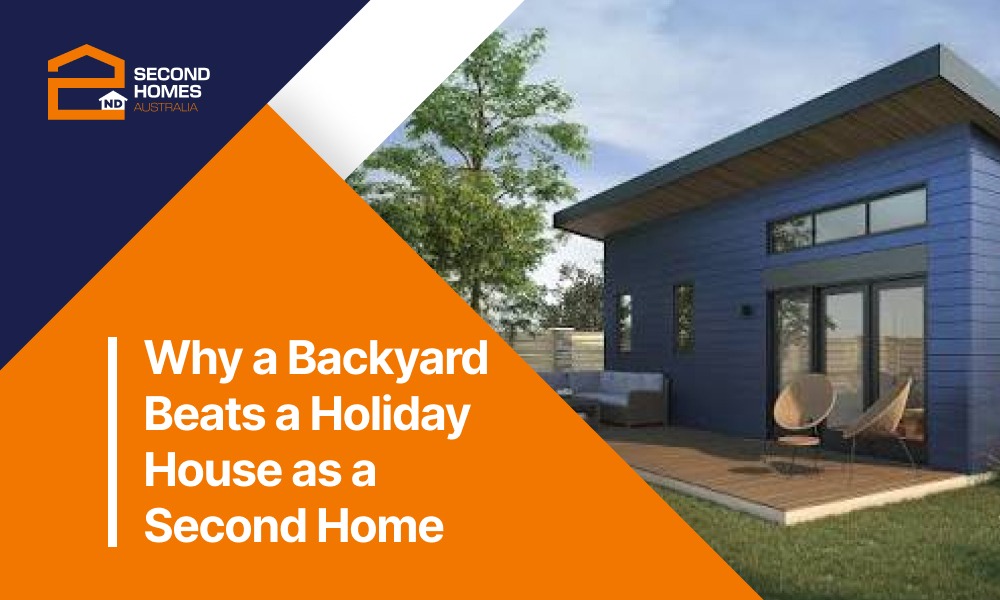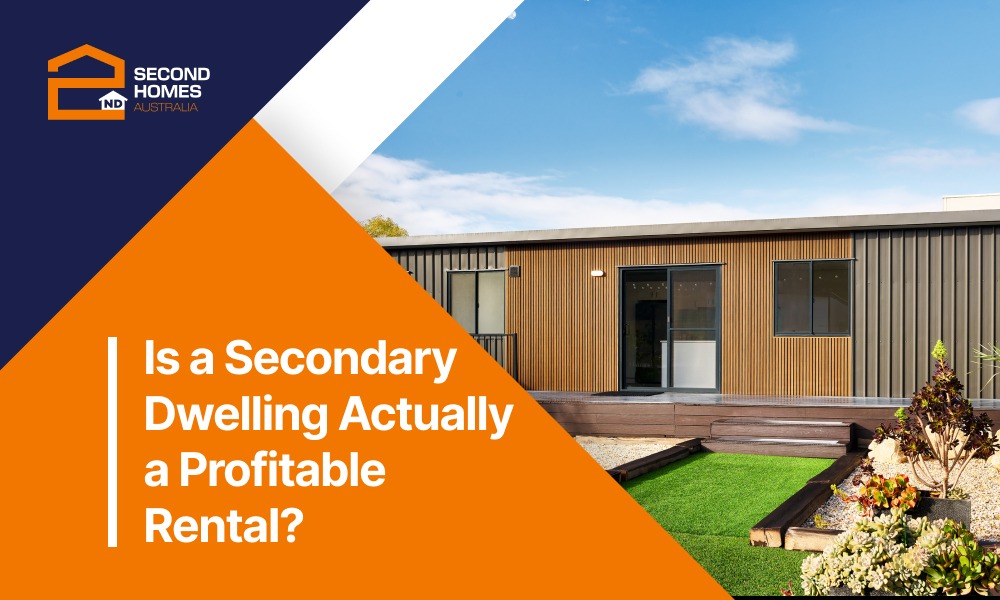

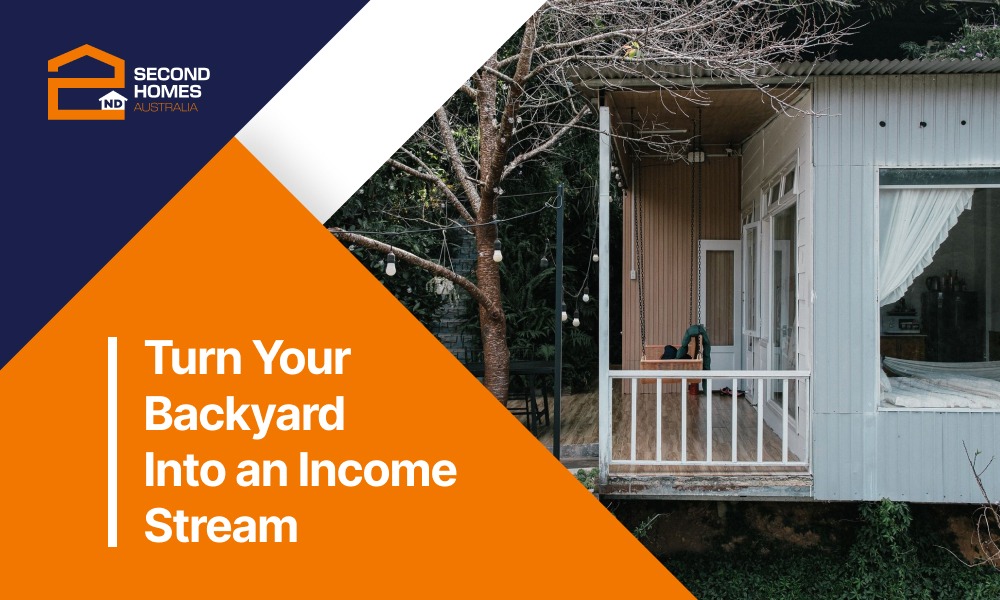
A vacant backyard still costs money in rates and maintenance, even while it sits there earning nothing. Here is what the actual numbers look like once a granny flat starts paying rent, and how that return compares with a term deposit or a second investment property bought the traditional way.
Term deposits are paying somewhere around 4 to 4.5 per cent in 2026, and a typical rental property nets an investor closer to 3 or 4 per cent once the mortgage, agent fees and the odd vacant week are factored in. A granny flat built on land that has already been paid for runs on a completely different set of numbers, mostly because nobody sits down and actually works them out before assuming the backyard is only worth a lawn mower and a Saturday afternoon.
Most homeowners think of the backyard as space rather than a money-making machine. Treat it as such, and the numbers will start adding up.
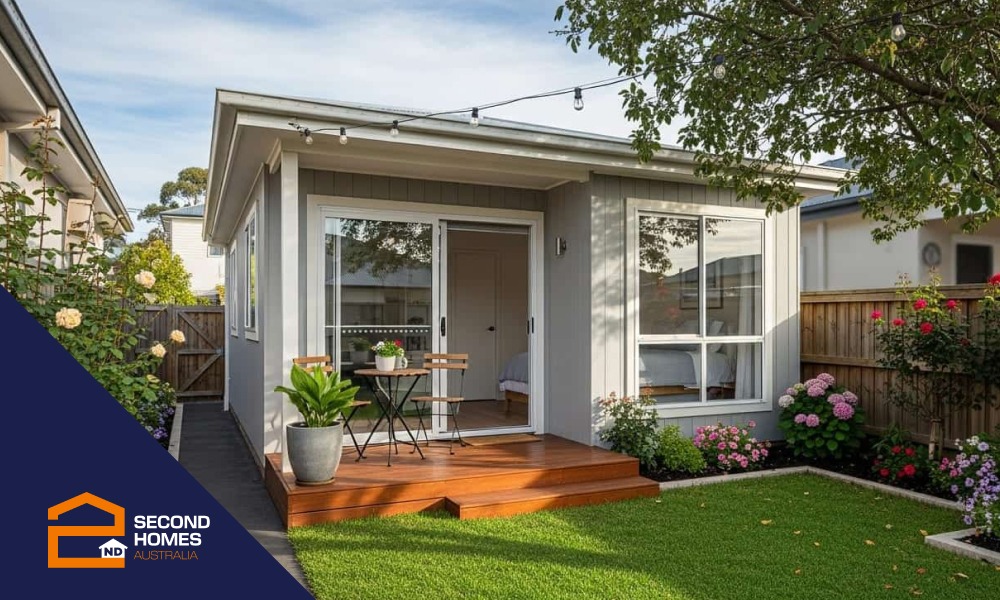
The Return that Nobody Imagines Sits in an Empty Backyard
A patch of lawn does not show up on any balance sheet, which means it never gets compared against other assets the way shares, savings or a second property would be. Treated instead as land with earning potential rather than background scenery, the comparison turns fairly one-sided, and more homeowners are starting to run it before a single floor plan gets drawn up.
What It Actually Costs to Build Granny Flats Melbourne Wide in 2026
A turnkey one or two-bedroom design to build granny flats Melbourne wide currently costs somewhere between $150,000 and $220,000, depending on size, finish and how much site work the block needs before the slab goes down. This price band covers a compliant, self-contained dwelling with its own kitchen, bathroom and entry, not a shed with a bed in it. The lower end of it is where the return calculations below start, since it reflects a standard, well-specified build rather than a premium fit-out.
The Weekly Rent, Suburb by Suburb
Weekly rent on a well-located granny flat across Melbourne typically lands between $350 and $600, with outer suburbs sitting toward the lower end and inner and middle-ring locations commanding the top of that range. Victoria removed the old restriction limiting these dwellings to housing family members only, opening the tenant pool to young professionals, downsizers, students and single parents looking for something more affordable than a full house, not just a relative in need of somewhere to live. Vacancy periods also tend to run shorter than a standard rental, simply because demand for a smaller, more affordable, self-contained space rarely dries up.
Running the Actual Revenue
Take a $150,000 build renting at $500 a week. That is $26,000 a year in gross rent, or roughly 17 per cent of the build cost returned annually, well ahead of the 3 to 4 per cent a standard rental property usually delivers once financing costs are included. The dwelling itself also tends to add somewhere between 60 and 80 per cent of its construction cost to the property’s value, on top of whatever rent it earns along the way. None of this accounts for maintenance, insurance or an occasional vacant week, but even allowing for those, the difference between this and a term deposit does not close.
Why the Numbers Beat Buying a Second Home in Australia Wide
Compare that to buying a second home in Australia as a straight investment purchase: a deposit near 20 per cent, stamp duty on top, and a second mortgage serviced by rent that has to cover the entire purchase price, not a fraction of it. A granny flat skips most of that structure because the land is already owned and largely already paid for. The return, as a result, gets measured against the build cost alone, not the full property price. For anyone weighing up second homes Australia wide as an income strategy rather than a lifestyle purchase, this is the detail worth sitting with: the return is being measured against a much smaller number to begin with.
The Planning Change Behind the Opportunity
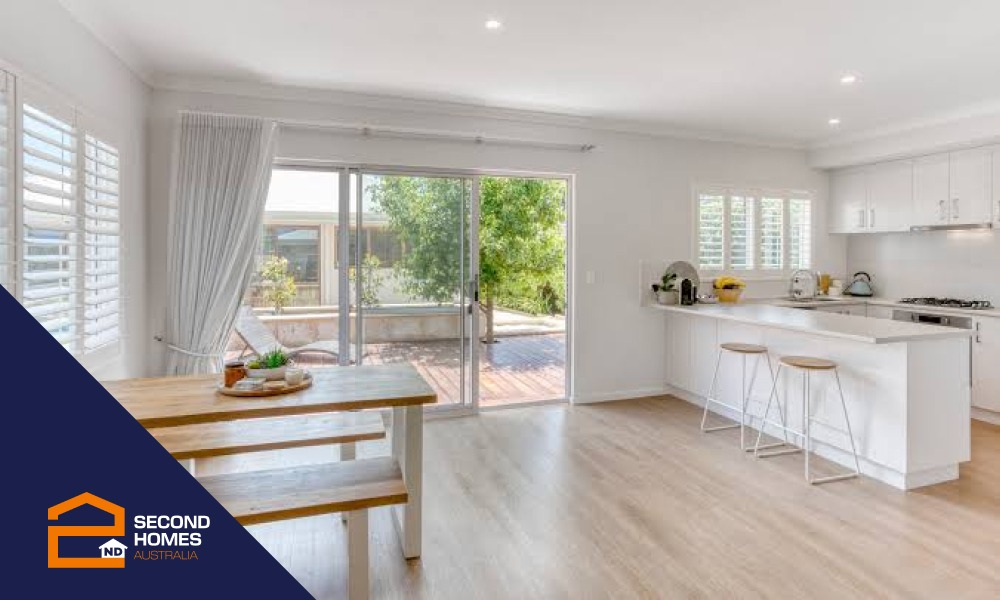
A second dwelling up to 60 square metres no longer needs a planning permit in most of Victoria, provided the block is over 300 square metres and carries no more than one existing home. Combined with the removal of the family-only rental restriction, this shift turned granny flats from a spare-room solution into something closer to a second stream of income, minus the second mortgage.
What Happens to This Number When the Property Sells
A fully approved granny flat does not just pay rent along the way. It also tends to lift the sale price of the whole property, since a buyer is purchasing a house that already comes with a passive income, not just an empty backyard. This resale uplift rarely shows up in a homeowner’s original calculation, yet it is often the single biggest number in the entire equation once the property eventually changes hands.
What Second Homes Australia Builds Into That Number
Second Homes Australia builds these dwellings across Melbourne and Victoria, concrete slab to steel frame, with turnkey packages starting from $150,000 and a ten-year structural warranty on every build. That is where the $26,000 figure above actually comes from, not a rough estimate pulled from someone else’s spreadsheet. Whatever that backyard is doing right now, it is worth finding out what it could be earning instead.